How Much Sunlight Do Siberian squill Need?
1
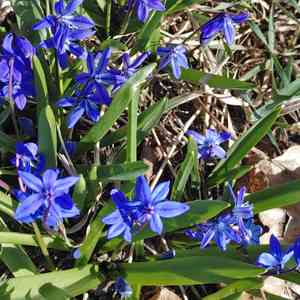
Siberian squill flourishes optimally in bright, direct sunlight for over six hours each day.
2
Although Siberian squill favors full sun, it can also endure some shade, particularly in warmer regions.
3
Adequate light exposure greatly influences the flowering and general vitality of your Siberian squill specimens.
Optimal Light Conditions for Siberian Squill
Full Sun vs. Partial Shade: Which is Best?
For Siberian squill, light exposure significantly impacts its vitality and growth. Ideally, it thrives in full sun, meaning it should get at least six hours of direct sunlight daily. This light level is crucial for vigorous blooming and lush foliage. However, Siberian squill is quite adaptable and can also tolerate partial shade. In regions with intense sun or high temperatures, partial shadeâaround 3-6 hours of direct sun combined with indirect lightâcan be beneficial. This flexibility makes it a versatile choice for various garden environments.
Seasonal Changes in Light Requirements
Understanding how light needs change with the seasons is vital for Siberian squill's successful growth. In early spring, when it typically emerges and flowers, full sun is perfect. The moderate temperatures and ample light provide the energy needed for its initial growth phase. As late spring and summer approach, some partial shade can protect the plant from scorching and heat stress. Providing afternoon shade can be especially helpful in maintaining its health and extending its flowering period.
Impact of Insufficient Light on Siberian Squill
Indicators of Too Little Sun
If Siberian squill doesn't receive enough light, it will show clear signs. A primary indicator is a lack of vibrant flowers; blooms may be sparse, small, or absent. You might also notice the plant becoming leggy and stretched as it reaches for any available light. Another sign of inadequate light is yellowing leaves. The foliage may appear pale or less full than usual, indicating the plant struggles with photosynthesis. These stress signals mean it's time to re-evaluate the plant's lighting conditions.
Symptoms of Excessive Sun Exposure
Too much sun can also harm Siberian squill. Signs of excessive sunlight include scorched leaves and wilting. You might see brown, crispy edges on leaves, or entire leaves turning brown and dropping due to intense heat and light. Sometimes, the plant may show dehydration despite regular watering. This happens because intense sun speeds up water evaporation from the soil, leaving the roots without enough moisture. Balancing sunlight with proper hydration and occasional shade can help alleviate these symptoms.
Optimizing Sun Exposure for Siberian Squill
Choosing the Right Garden Location
To optimize sun exposure for Siberian squill, selecting the correct garden spot is crucial. Pick a location that gets plenty of morning sun and some afternoon shade if you live in a very hot climate. This combination ensures the plant gets enough light without being exposed to the harshest conditions. Avoid planting Siberian squill in overly shaded areas where it might struggle to get the necessary light. If planning a flower bed, consider slightly elevating it or using raised planters for better light penetration.
Implementing Shading Techniques
In areas with extreme sun, using shading methods can effectively protect your Siberian squill. Garden netting, lattice panels, or strategically placed taller companion plants can provide needed shade without completely blocking sunlight. These techniques create a dappled light effect, balancing direct exposure with protective shading. Another practical approach is to use temporary shade covers during peak sun hours. This is especially useful during heatwaves or unexpected hot spells, ensuring your Siberian squill stays healthy and vibrant throughout the growing season.
Common Questions About Siberian Squill's Sunlight Needs
Can Siberian Squill Be Grown Indoors?
While primarily an outdoor plant, Siberian squill can be grown indoors under suitable conditions. The main challenge is ensuring adequate sunlight, which can be difficult inside. Place the plant near a south-facing window for maximum sunlight. You might also need to use grow lights to mimic its natural light environment. Keep in mind that indoor settings can be less ideal for Siberian squill's natural growth cycle, so extra attention to light, watering, and temperature will be necessary for it to thrive.
What Are Ideal Companion Plants for Siberian Squill?
Siberian squill pairs well with various spring-blooming bulbs and perennials, making it a versatile garden addition. Excellent companions include tulips, daffodils, and crocuses. These plants share similar light and soil requirements, creating a harmonious and colorful spring display. Besides other bulbs, consider pairing Siberian squill with low-growing ground cover plants like creeping phlox or ajuga. These companions not only enhance Siberian squill's aesthetic but also contribute to a well-rounded and resilient garden ecosystem.



