How Much Sunlight Do Stringy stonecrop Need?
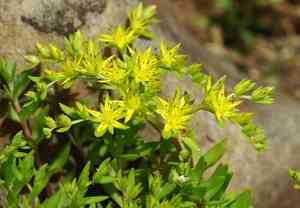
1
Stringy stonecrop performs optimally with ample direct sunlight, needing more than 6 hours each day.
2
This plant can withstand less sun exposure, including complete shade, though it may exhibit less vigorous growth and duller hues.
3
Sufficient light is crucial for robust development and intensifies the plant's inherent coloration and aesthetic appeal.
Optimal Light Requirements for Stringy stonecrop
Direct versus Indirect Light
Regarding illumination, Stringy stonecrop thrives in full sun. It flourishes when exposed to direct sunlight, meaning an optimal location allows it to receive unhindered sunbeams. This can be the sunniest part of your garden or a bright windowsill indoors. Indirect sunlight, which has reflected off another surface before reaching the plant, is less favorable for Stringy stonecrop. While it can survive in such conditions, it may not reach its full growth and color potential.
Duration of Light Exposure
Stringy stonecrop requires a minimum of 6 hours of direct sun daily. In regions with intense solar radiation, morning sun with some afternoon shade might be ideal to prevent scorching. This duration ensures the plant receives sufficient energy for photosynthesis, promoting vigorous development and a lively appearance. Remember, while resilient, consistent proper sunlight exposure will maintain its health and vibrancy.
Advantages of Sufficient Sunlight for Stringy stonecrop
Richer Development
Ample sunlight is vital for the overall well-being and growth of Stringy stonecrop. Sunlight powers photosynthesis, which generates the energy needed for development. When Stringy stonecrop gets enough sunlight, you'll observe a more robust and healthier specimen. It grows more compactly and densely, with abundant, lush foliage, making it an excellent ground cover or ornamental plant.
Enhanced Hue and Visual Appeal
One of the most pleasing features of Stringy stonecrop is its vivid coloration. Sufficient sunlight amplifies this trait, bringing out the plant's natural shades and adding a beautiful burst of color to your garden. In full sun, the leaves can develop a rich green tone with occasional hints of yellow or red. In suboptimal lighting, the colors may appear muted and less striking, highlighting the role of sunlight in preserving its aesthetic quality.
Consequences of Excessive Sun Exposure for Stringy stonecrop
Indicators of Sun Damage
Although Stringy stonecrop prefers full sun, excessive direct sunlight, particularly in extremely hot climates, can cause sunburn. Symptoms of sunburn include browning or crisp edges on leaves, fading of the plant's vibrant color, and in severe instances, leaf drop. If these signs appear, it's advisable to adjust the plant's placement to ensure adequate but not excessive light, possibly providing some midday protection.
Prevention of Light Damage
To avert sun damage, consider positioning your Stringy stonecrop where it receives morning sun and afternoon shade. This arrangement offers balanced light exposure, reducing sunburn risk. Alternatively, in areas with intense summer heat, employing a light shade cloth during peak sun hours can be beneficial. Ensuring the plant remains hydrated, especially during warm periods, can also alleviate sun damage.
Addressing Insufficient Sunlight for Stringy stonecrop
Recognizing Low Light Conditions
Inadequate sunlight can significantly affect Stringy stonecrop. Symptoms include elongated growth, where the plant appears stretched with sparse foliage. The color may also become faded or dull, and the overall growth rate can notably decrease. If these indicators are present, the plant is likely not receiving enough light.
Improving Light Availability
To enhance light access, move your Stringy stonecrop to a brighter location. If grown indoors, a south-facing window is typically the best option for maximum light exposure. Outdoors, select a spot that receives full sun for most of the day. If relocating the plant isn't feasible, consider pruning any overhanging foliage or nearby plants that might be creating shadows.
Optimal Positioning for Stringy stonecrop in Your Landscape
Prime Locations
For optimal outcomes, plant your Stringy stonecrop in an area that gets abundant sunlight. Ideal spots include the south or west-facing sections of your garden, which typically receive the most sun. If you reside in a hot climate, try a location that offers some afternoon shade to prevent overheating. This balance helps maintain the plant's vigorous health and coloration.
Container Cultivation Guidance
If you are cultivating Stringy stonecrop in containers, opt for pots that are easy to reposition to follow the sun's trajectory. Ensure the containers have excellent drainage to prevent waterlogging. Using a well-draining soil mix is crucial, as Stringy stonecrop prefers drier conditions. Regularly rotate the pot to guarantee all sides of the plant receive even sunlight. With these tips, your container-grown Stringy stonecrop can flourish and beautify your patio or balcony.



