How Much Sunlight Do Cup plant Need?
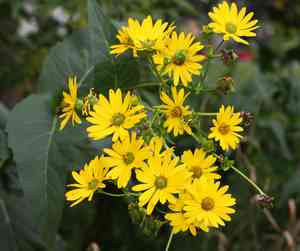
1
Cup plant grows most vigorously in direct sunlight but can also withstand some shade.
2
Confirm that your Cup plant gets a minimum of 6 hours of unblocked sun each day.
3
Observe your Cup plant for indications of excessive or insufficient light to maintain its well-being.
Deciphering Cup Plant's Light Requirements
Ideal Sunlight Conditions
For your Cup plant to flourish, the amount of sunlight it receives is vital. This species thrives in full sun, meaning it requires at least six hours of direct sun exposure daily. Full sun not only encourages strong development but also maximizes its blooming potential. Areas in your garden with consistent direct sunlight are perfect for your Cup plant.
Full Sun Versus Partial Sun
While full sun is optimal for the Cup plant, it is quite adaptable and can endure partial sun. Under partial sun, where it gets about 3 to 6 hours of direct light, the plant might exhibit less vigorous growth and produce fewer blossoms. However, it remains quite resilient. The main goal is to ensure it receives more sun than shade throughout the day. If full sun isn't available, partial sun can be a viable alternative, though you may observe differences in its growth habits.
Optimal Positioning for Your Cup Plant's Sun Exposure
Selecting the Right Garden Spot
Choosing the best location in your garden for your Cup plant involves evaluating light patterns. Seek out areas that receive uninterrupted sunlight for the majority of the day. South-facing sections of your garden typically offer the most favorable exposure. If planting near structures or other vegetation, confirm they do not cast significant shadows over your Cup plant.
Seasonal Light Variations
Seasonal shifts can alter light availability, making it important to factor these changes into your Cup plant's placement. In summer, the sun is higher and days are longer, increasing access to full sun spots. Conversely, winter months may bring shorter days and lower sun angles. Be ready to modify your gardening approaches as needed, relocating potted Cup plants if required or pruning nearby foliage to maintain sufficient sun exposure.
Indoor Placement Considerations
If cultivating Cup plants indoors, placement becomes even more crucial. Position the plant near a south or west-facing window where it can get abundant direct sunlight. If natural light is inadequate, especially in winter, think about supplementing with grow lights to ensure the Cup plant receives its necessary illumination. Remember, indoor plants often benefit from rotation to ensure balanced sun exposure on all sides.
Indicators of Excessive or Insufficient Sun for Your Cup Plant
Identifying Sunburn Symptoms
Signs of sunburn on your Cup plant include bleached or scorched leaves, often appearing as white or brown patches. Foliage may become dry and brittle to the touch. If you observe these indicators, your plant might be receiving too much direct sunlight. Providing some afternoon shade or moving it to a location with slightly less intense sun exposure can help remedy the issue.
Recognizing Symptoms of Insufficient Sunlight
When your Cup plant lacks adequate sunlight, it may appear elongated with stems reaching towards light sources. Leaves might become smaller and less vibrant, and blooming could be significantly reduced or absent. Ensuring your plant receives at least six hours of direct sunlight can help correct these problems, fostering healthier growth and flowering.
Frequently Asked Questions About Cup Plant Sunlight Needs
Can Cup Plant Thrive in Shaded Locations?
While the Cup plant prefers full sun, it can survive in partially shaded spots but with reduced vigor and fewer flowers. For optimal outcomes, aim for a location with as much direct sunlight as possible. It's about achieving a balance based on your garden's specific conditions.
How Can I Adjust Sunlight Exposure Seasonally?
Adjusting your Cup plant's sunlight exposure involves a few tactical adjustments. In summer, ensure your plant isn't overexposed by providing afternoon shade if necessary. During winter, maximize sun exposure by placing the plant where it gets the most direct light, considering indoor placement if temperatures drop significantly. Adaptability is key to preserving your plant's health throughout the year.



