How Much Sunlight Do Japanese skimmia Need?
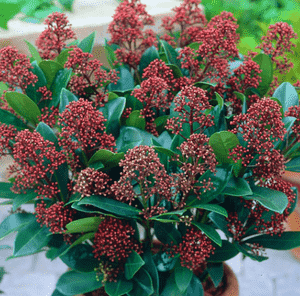
1
Japanese skimmia flourishes optimally with 3-6 hours of filtered sun each day.
2
Intense sun exposure can burn the foliage of Japanese skimmia.
3
For areas with complete shade, guarantee your Japanese skimmia receives diffused light to prosper.
Optimal Light Conditions for Japanese Skimmia
Requirements for Partial Shade
A crucial factor for Japanese skimmia care is its light needs. Unlike many plants that love sun, Japanese skimmia thrives in partial shade. This means it flourishes with approximately 3-6 hours of daily sunlight. Ideal spots include areas receiving morning sun and afternoon shade, protecting the plant from the harshest rays.
Indirect Light
Japanese skimmia also prefers indirect light, making it an excellent choice for gardens with varied light conditions. Indirect light is filtered, such as through tree canopies or greenhouse glass, which lessens the intensity directly hitting the plant. Placing it where it gets dappled sunlight from other plants or structures will enhance its natural beauty and maintain its health and vibrancy.
Avoiding Direct Sun Exposure
Direct sunlight can harm Japanese skimmia. Extended exposure to strong sun can scorch its leaves, leading to burns and discoloration. Ideally, position this shrub where it won't face full, unfiltered sunlight, especially during peak hours. Using garden features or larger plants nearby can offer perfect protection from direct rays.
Adaptation to Various Climates
Colder Regions
In cooler climates, Japanese skimmia can endure slightly more direct sun than in hotter areas. Lower temperatures help mitigate the burning effects direct sunlight can have on its foliage. Still, try to ensure the plant gets some afternoon shade to prevent overexposure. Whether in your garden or on a patio, carefully place the plant to utilize natural shadows during the warmest parts of the day.
Warmer Regions
In warmer areas, shielding your Japanese skimmia from the sun becomes even more vital. High temperatures combined with direct sunlight can quickly cause plant stress and leaf scorch. In these conditions, it's best to cultivate the plant in spots with significant afternoon shade or use shade cloths during peak sun hours. Ensure adequate watering as soil may dry out faster in sunny, hot climates.
Indicators of Improper Sunlight Exposure
Symptoms of Sun Damage
Sunburn in Japanese skimmia typically appears as brown, crispy leaf edges or entirely scorched areas. These signs indicate the plant is receiving too much direct sunlight. If you observe these symptoms, try moving the plant to a shadier location or modifying its light exposure with a barrier.
Effects of Insufficient Light
Conversely, inadequate sunlight can also impact your Japanese skimmia. When deprived of enough light, the plant may show stunted growth, reduced flowering, and a general lack of vigor. Leaves might become pale or yellowish, signaling the plant's difficulty in efficient photosynthesis. If you notice these signs, gradually introducing more light can help revive it.
Optimizing Indoor Sunlight
Best Indoor Placements
When growing Japanese skimmia indoors, placement is crucial. Position the plant where it can receive filtered or indirect sunlightâsuch as near an east-facing window for gentle morning sun. Avoid windows with intense afternoon sunlight. Rotate the plant periodically to ensure uniform growth on all sides.
Utilizing Artificial Illumination
Artificial lighting can be a lifesaver for indoor Japanese skimmia. Employ grow lights that mimic natural sunlight spectra. LED grow lights are particularly effective and energy-efficient. Position the light to provide sufficient illumination without causing heat stress. Typically, 12-16 hours of artificial light daily, combined with natural light, can greatly benefit the plant.



