How Much Sunlight Do Prairie goldenrod Need?
1
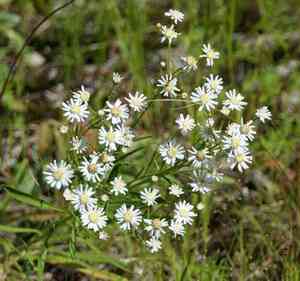
Prairie goldenrod flourishes optimally in bright, sunny environments, requiring a minimum of 6 hours of direct sun each day.
2
Selecting an appropriate spot, be it in a garden bed or a pot, is vital for guaranteeing sufficient light for Prairie goldenrod.
3
Selecting an appropriate spot, be it in a garden bed or a pot, is vital for guaranteeing sufficient light for Prairie goldenrod.
Optimal Light Conditions for Prairie goldenrod
Full Sun Requirements
For peak development, Prairie goldenrod needs to be situated where it gets at least 6 hours of direct sun daily. Ample sunlight promotes strong growth, vivid foliage, and plentiful blooms. These conditions mirror its native prairie environment, where it flourishes under direct sun.
Partial Sun Conditions
Prairie goldenrod can also endure in partial sun, receiving 3-6 hours of direct sunlight daily. However, less light can lead to leggy stems and fewer flowers. Partial shade might work if your garden has taller plants or structures casting shadows, but for best results, aim for more sun.
Impact of Insufficient Light
Insufficient light can significantly harm Prairie goldenrod. Without enough sunlight, the plant becomes weak and spindly, showing stunted growth and poor flowering. Leaves may turn pale, and vulnerability to pests and diseases can increase. Meeting the minimum sun requirement is vital for a healthy plant.
Best Planting Locations for Prairie goldenrod
Optimal Garden Spots
When planting Prairie goldenrod in your garden, select a location that receives abundant direct sunlight. Ideal spots are south-facing areas that get unfiltered sun throughout the day. Ensure the soil drains well to prevent waterlogging, which can harm plant roots. These locations will provide the necessary conditions for thriving in full sun.
Container Gardening
Container gardening is an excellent choice for Prairie goldenrod, especially if garden space is limited or you live in an apartment. Use large pots that allow for root expansion and place them in sunny areas, such as balconies or patios. Ensure containers have good drainage holes and use quality potting mix.
Indoor Growing Considerations
While Prairie goldenrod is typically an outdoor plant, it can be grown indoors with proper care. Position it near a sunny window that gets ample daylight, preferably one facing south. Consider using grow lights to supplement natural light if it's insufficient. Rotate the plant regularly for even light exposure.
Seasonal Light Variations
Summer Sunlight Intensity
During summer, Prairie goldenrod benefits from long, sunny days. The strong sunlight supports vigorous growth and abundant flowering. However, ensure the plant has enough water to cope with the heat. Mulching around the base can help retain soil moisture and regulate temperature.
Winter Sun Exposure
In winter, sunlight intensity and duration decrease. If you live in an area with mild winters, Prairie goldenrod can stay outside, but ensure it's in a spot that still gets maximum sunlight. In colder climates, consider moving potted plants indoors to a sunny location or protecting outdoor plants with frost covers.
Adapting to Seasonal Changes
Adapting to seasonal changes is crucial for maintaining healthy Prairie goldenrod. During transition periods, gradually adjust the plant's exposure to changing light conditions to prevent shock. For instance, move container plants to progressively shadier spots as autumn approaches to mimic natural light reduction.
Sunlight and Prairie goldenrod Development
Influence on Flowering
Sunlight plays a critical role in Prairie goldenrod's blooming. Extended exposure to full sun ensures prolific flowering, producing bright yellow blooms that attract pollinators. Insufficient sunlight can result in fewer and smaller flowers, reducing the plant's aesthetic appeal.
Effect on Foliage
The foliage of Prairie goldenrod is equally dependent on sunlight. Healthy leaves are typically vibrant and lush, indicating sufficient light exposure. When sunlight is scarce, leaves can become pale and less vigorous, making the plant more vulnerable to diseases and pests.
Sunlight and Pest Resistance
Proper sunlight exposure enhances Prairie goldenrod's natural pest resistance. Full sun strengthens the plant, making it more resilient to common garden pests. Shaded plants, conversely, are often weaker and more prone to infestations. Therefore, ensuring adequate sunlight is a proactive measure against pests.



