How Much Sunlight Do African tulip tree Need?
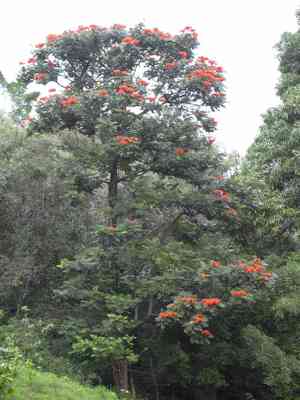
1
The African tulip tree flourishes most vigorously with more than six hours of direct sun daily.
2
Although it favors complete sunlight, the African tulip tree is resilient enough for conditions with some shade.
3
Insufficient or excessive light can result in issues such as yellowing leaves and limited development for your African tulip tree.
What Kind of Light Does the African Tulip Tree Require?
Abundant Sun vs. Partial Shade
The African tulip tree thrives in brightly lit environments, preferring to bask in direct sunlight for a minimum of six hours daily. Nevertheless, it can endure some filtered light, particularly in regions with high temperatures where the strong midday sun might be excessive. Under partial shade, the tree should still receive illumination for at least 3-4 hours. Its vibrant blossoms and rich green foliage will flourish most effectively when the plant is exposed to ample sunshine.
Optimal Daily Sunlight Duration
For prime development, the African tulip tree needs over six hours of sunlight each day. This exposure enables the plant to perform photosynthesis efficiently, generating the necessary energy for vigorous growth. In areas with fewer daylight hours, position the tree to maximize its access to available light throughout the day. During the active growth period, from spring through fall, this extended light exposure will foster healthy development and plentiful flowering.
Optimal Sites for Planting African Tulip Trees to Maximize Sun Exposure
Outdoor Placement Options
When positioning the African tulip tree outside, choose a spot in your garden or yard that gets full sun. An open, unhindered area is ideal. Consider planting on your property's south-facing side, where the tree will benefit from the longest period of sun exposure. Avoid locations shaded by structures or taller plants, as this can limit the sunlight reaching your African tulip tree.
Indoor Cultivation
While primarily an outdoor plant, the African tulip tree can be grown indoors in a sufficiently large container. For successful indoor growth, place the tree near a south or west-facing window to ensure it receives ample sunlight. Supplementary illumination, such as grow lights, can also be utilized to provide the required light intensity and duration, especially during colder months when natural light might be insufficient.
How Seasonal Changes Impact the African Tulip Tree's Light Requirements
Winter vs. Summer Light
The quantity and strength of sunlight the African tulip tree receives can differ significantly between seasons. During summer, the tree typically gets abundant, strong sunlight, which supports robust growth and prolific blooming. Conversely, in winter, shorter daylight hours and weaker sun can impede its growth. If grown indoors, ensure the tree is placed to receive the most available sunlight, or use artificial lighting to compensate for diminished natural light.
Adapting to Climatic Variations
The African tulip tree's sunlight needs can also be affected by local climate. In areas with intense summer heat, some afternoon shading can help shield the tree from sun scorch. Conversely, in cooler climates, ensuring maximum sun exposure year-round is essential. Regularly evaluate the tree’s light exposure, repositioning it as necessary to accommodate seasonal and climatic shifts.
Indicators of Improper Sunlight Exposure in the African Tulip Tree
Symptoms of Sunburn
Too much direct sunlight, particularly in very hot climates, can cause sunburn on the African tulip tree. Signs of sunburn include singed leaf edges, brown spots, and overall discoloration of the foliage. If these symptoms appear, it might be necessary to provide some afternoon shade or relocate the plant to an area with slightly less intense sun.
Symptoms of Insufficient Light
Conversely, inadequate sunlight can also negatively impact the African tulip tree. Signs of insufficient light include elongated, weak growth, pale or yellowing leaves, and reduced flowering. To correct this, move the tree to a brighter location or increase its exposure to artificial light if it's grown indoors.
How to Acclimate the African Tulip Tree to New Light Conditions
Tips for Gradual Light Adjustment
When shifting the African tulip tree to different light conditions, a gradual approach is best. Abrupt changes can induce shock and stress the plant. Begin by slowly increasing or decreasing light exposure by an hour daily over one to two weeks. This gentle transition allows the tree to adapt to the new light levels without adverse health effects.
Preventing Stress During Adjustment
To avoid stress during a transition to varying light conditions, maintain consistent moisture and environmental factors. Ensure the soil remains damp but not waterlogged, and prevent significant fluctuations in temperature or humidity. Closely monitoring the tree throughout the transition period can help identify and address any signs of stress promptly, facilitating a smoother adjustment process.



