How Much Sunlight Do Frost grass Need?
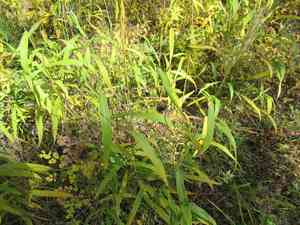
1
Frost grass flourishes optimally with a minimum of 6 hours of direct sun exposure each day.
2
Although it can endure partial shade, insufficient light may impede its development.
3
Observe the hue and feel of Frost grass to assess its light requirements.
Ideal Light Requirements for Frost grass
Full Sun vs. Partial Shade
To maximize your Frost grass's potential, understanding its light preferences is crucial. Ideally, Frost grass thrives in full sun, meaning it should receive over 6 hours of direct sunlight daily. In a garden, choose a spot with consistent sun exposure throughout the day. However, Frost grass is quite adaptable. If full sun isn't possible, partial shadeâwhere the plant gets about 3 to 6 hours of sunlightâcan work, though performance might be less than optimal.
Optimal Daily Sunlight Exposure
Consistency is vital for sunlight exposure. Aim to provide your Frost grass with at least 6 to 8 hours of daily sunlight for peak growth. This duration ensures sufficient photosynthesis, which is essential for its health. Excessive direct sunlight for extended periods, especially in high temperatures, can cause stress; conversely, too little sunlight can hinder growth and impact the plant's overall vigor.
Impact of Varying Light Levels on Frost grass
Growth and Development
The amount of sunlight Frost grass receives significantly affects its growth and development. In full sun, Frost grass exhibits robust growth with strong, well-formed blades. Conversely, in partial shade, while the grass may survive, its growth rate might decrease. It could also become elongated as it reaches for light, resulting in a less attractive plant. Therefore, ensuring ample sunlight is key to maintaining its lush, dense look.
Color and Texture Alterations
Sunlight not only influences growth rate but also the color and texture of Frost grass. With sufficient sunlight, the grass maintains a rich, green hue and a firm texture. However, inadequate sunlight can lead to a dull or yellowish tint, and the texture may become limp. Observing these changes can be your initial indicator to adjust the plantâs light conditions for its best appearance.
Ensuring Proper Sunlight for Frost grass
Planting Location Advice
Selecting the correct planting location is half the battle. For Frost grass, choose an area in your garden that receives the maximum possible sunlight throughout the day. Avoid planting near tall structures or under large trees that could cast significant shadows. If you reside in a warmer climate, consider a spot that gets morning sun and some afternoon shade to lessen the impact of extreme heat.
Utilizing Artificial Lighting
If natural sunlight is insufficient or inconsistent, artificial lighting offers a viable solution. Grow lights can mimic the sunlight Frost grass requires. Opt for full-spectrum grow lights designed to deliver the appropriate wavelengths for plant development. Position the lights approximately 30 cm (12 inches) above the plant and keep them on for about 12-14 hours daily to simulate the natural light cycle.
Common Sunlight Problems and Solutions for Frost grass
Sunburn and Heat Stress
Frost grass can suffer from sunburn and heat stress, particularly in extremely hot climates. Symptoms of sunburn include scorched tips and edges on the grass blades. To prevent this, provide some shade during peak sunlight hours or ensure the plant gets afternoon shade. Additionally, consistent watering can help the grass manage high temperatures.
Insufficient Light Indicators
When Frost grass doesn't receive enough sunlight, it will show symptoms such as slow growth, yellowing, and a thin, elongated appearance. To remedy this, move the plant to a sunnier location if feasible. If relocating the plant isn't an option, consider supplementary lighting. Regularly inspect your garden to identify and address these symptoms promptly.



