How Much Sunlight Do Alkali sacaton Need?
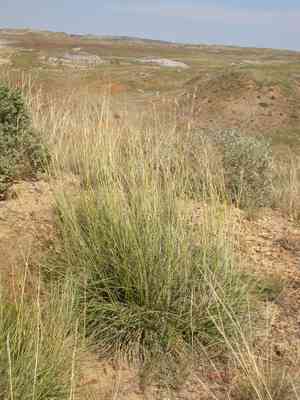
1
Alkali sacaton flourishes with over 6 hours of direct sunlight.
2
It can endure some shade, but full sun is perfect for peak development.
3
Use light meters to track sun exposure for improved plant management.
The Importance of Sunlight for Alkali Sacaton
Photosynthesis and Development
Sunlight is essential for Alkali sacaton due to its function in photosynthesis, the process where the plant transforms light energy into chemical energy to fuel its development. Without enough sunlight, this grass cannot generate the energy required for vigorous growth. Photosynthesis allows Alkali sacaton to form strong roots, develop lush leaves, and produce vibrant, healthy foliage.
Well-being and Strength
Sufficient sunlight ensures Alkali sacaton maintains its overall well-being and strength. Light exposure influences the plant's capacity to resist diseases and pests. Additionally, sunlight aids in the formation of pigmentation and structural integrity, making the grass appear more visually appealing and robust.
Ideal Sunlight Conditions for Alkali Sacaton
Optimal Sunlight Duration
Alkali sacaton thrives when it receives over 6 hours of direct sun daily. This warm-season grass is well-suited to open, bright environments and needs substantial sunlight to achieve its full growth potential. Providing consistent, ample sunlight is crucial for its development.
Best Times for Sun Exposure
To maximize sunlight benefits, position your Alkali sacaton where it will receive sun primarily during the morning and early afternoon. These periods offer strong yet not excessively intense sun, helping to prevent potential heat stress and scorching that could occur during peak midday hours.
Impacts of Insufficient Sunlight on Alkali Sacaton
Indicators of Low Sunlight
When Alkali sacaton doesn't get enough sunlight, you'll observe several clear signs. The plant may exhibit pale, yellowing leaves, slow development, and a sparse appearance. Furthermore, it might become more susceptible to disease and insect infestations.
Long-Term Effects on Plant Health
Extended periods of inadequate sunlight can severely impact Alkali sacaton. Over time, the plant's overall health will decline, leading to weakened roots, poor structural integrity, and increased vulnerability to environmental stressors. Ensuring proper sunlight is vital for the grass's long-term viability.
Managing Sunlight Exposure for Alkali Sacaton
Utilizing Shade Cloth or Screens
In areas where sunlight intensity is too high, or during particularly hot periods, you can employ shade cloth or garden screens to moderate sun exposure. These tools help shield Alkali sacaton from excessive heat while still allowing for adequate light penetration.
Repositioning Potted Plants
If you are cultivating Alkali sacaton in containers, moving these pots can help manage sunlight exposure. Place them in spots where they can receive the necessary 6 hours of sunlight, and consider shifting them to shaded areas when the sun's intensity peaks.
Adjusting Sunlight Seasonally
Adapting sunlight exposure based on seasonal changes is crucial. In winter, ensure Alkali sacaton receives as much light as possible, perhaps by pruning back any nearby plants that might cast shade. During summer, monitor the plant to prevent sunburn or overheating, and consider using additional shade if needed.
Monitoring Sunlight Exposure for Alkali Sacaton
Using Sunlight Measurement Devices
Sunlight meters are useful tools that gauge the amount of sunlight an area receives. By regularly using a sunlight meter, you can ensure Alkali sacaton gets optimal light levels for healthy growth. These devices provide precise data, aiding informed decisions about plant placement and care.
Visual Cues of Proper Sunlight
Observing the visual condition of your Alkali sacaton can also serve as a natural indicator of appropriate sunlight exposure. Healthy, vibrant green stems, robust growth, and pest resistance all suggest the plant is receiving adequate light. Conversely, any signs of distress should prompt you to re-evaluate its light conditions.



