How Much Sunlight Do Common comfrey Need?
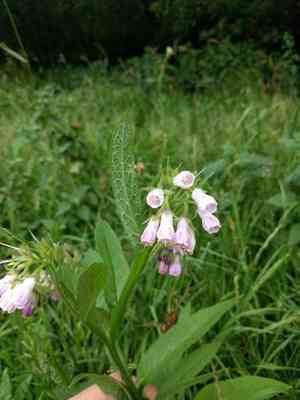
1
Common comfrey flourishes when exposed to at least six hours of direct sun each day.
2
Its ability to tolerate partial shade allows Common comfrey to be placed in diverse garden locations.
3
Observe the condition of its leaves to modify the amount of light it receives.
Optimal Solar Exposure for Common Comfrey
Full Sunlight vs. Partial Shadow
Common comfrey demonstrates considerable adaptability regarding its solar needs. While its preference is for full sun, meaning a minimum of 6 hours of unfiltered daylight daily, it can also endure some dappled light. In regions experiencing exceptionally hot summers, partial shade can safeguard the plant from excessive warmth, particularly during midday. A balance of morning sun and afternoon shade will allow your Common comfrey to thrive.
Grasping Illumination Requirements
Understanding the light demands for Common comfrey is crucial for its care. Full sun promotes robust development and plentiful blooms, fostering a sturdier and more resilient plant. Should you opt for partial shade, ensure the plant still receives sufficient illumination, ideally indirect sunlight for most of the day. Bear in mind, inadequate light can result in stretched stems and fewer blossoms.
Identifying Proper Sun Exposure
Indicators of Excessive Sunlight
Overexposure to solar radiation can cause distress to Common comfrey. If the foliage appears scorched, displays brown tips, or if the plant wilts despite sufficient hydration, it may be receiving too much sun. In such instances, consider moving the plant to a location with afternoon partial shade or utilize shade cloths to moderate the intensity.
Indicators of Insufficient Sunlight
Conversely, a lack of sunlight can impede the development of Common comfrey. Signs to observe include elongated stems, a reduced number of flowers, and a generally weaker plant. If the plant seems fragile and lanky, it likely requires more sunlight. Try placing it in an area where it can receive at least 6 hours of direct solar exposure daily.
Strategies for Managing Common Comfrey's Sunlight
Adjusting Plant Placement
The ability to adjust your Common comfrey’s location can have a significant impact. Begin by observing the sun's patterns in your garden. If your plant exhibits signs of stress, contemplate moving it to a spot that offers an ideal combination of sunlight and dappled shade. Containers are an excellent choice if you desire the flexibility to reposition your plants for optimal sun throughout the year.
Utilizing Shade Fabrics and Reflective Materials
Shade cloths are highly effective in controlling sunlight for Common comfrey. These materials help diminish the strength of direct sunlight during peak hours, preventing leaf scorch and heat stress. Reflectors can also be employed to direct light into shaded areas, ensuring the plant receives adequate illumination without intense heat.
Seasonal Considerations
The strength and duration of sunlight vary with the seasons. During summer, consider providing Common comfrey with afternoon shade to shield it from intense heat. Conversely, in winter, ensure it receives maximum solar exposure, particularly in the mornings. Adjusting its placement based on seasonal light changes can help maintain a healthy, vibrant plant all year.
Frequently Asked Questions Regarding Common Comfrey and Sunlight
Can Common Comfrey Thrive in Full Shade?
While Common comfrey tolerates partial shade, it does not perform well in full shade. Complete shade conditions lack the necessary light for photosynthesis, leading to stunted growth and minimal blooming. Ensure the plant receives at least some direct or indirect sunlight daily.
What is the Optimal Number of Sunlight Hours?
Common comfrey flourishes best with more than 6 hours of direct sunlight daily. This duration of solar exposure supports vigorous growth and flowering. If full sun exposure is not feasible, aim for a location that provides at least partial sun for prime development.



