How Much Sunlight Do Princess flower Need?
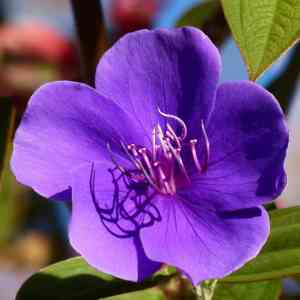
1
Princess flower flourishes optimally with more than six hours of daily sun exposure.
2
Although it can endure some shade, morning sun proves most advantageous for its development.
3
Employing a light meter can assist in guaranteeing your Princess flower receives adequate sunlight.
Optimal Light Conditions for Princess flower
Full Sun vs. Partial Shade
The Princess flower thrives in abundant sunlight. Full sun means roughly 6-8 hours of direct light daily, which promotes vibrant blooms and robust growth. However, this plant can adapt to partial shade. While partial shade can shield it from intense afternoon heat, it might lessen the number of flowers. A good balance is morning sun with some afternoon shade, providing sufficient light without overheating.
Impact of Varying Light Intensities
Different light levels affect your Princess flower distinctly. Full sunlight encourages strong growth and prolific flowering, but demands consistent hydration to prevent wilting. Conversely, limited sunlight may result in fewer blossoms. Leaves and stems might also appear less vigorous. Achieving ideal light intensity involves considering your local climate and plant placement. In regions with strong summer sun, afternoon shade can prevent leaf burn.
Ensuring Proper Light for Your Princess flower
Selecting the Right Spot
Choosing the optimal location for your Princess flower is vital for its health and flowering. Ideally, pick a spot that gets ample morning and early afternoon sun. This could be near a south-facing window indoors, or an open garden area with minimal obstructions outdoors. Avoid overly shady spots or those fully exposed to harsh midday sun, as both extremes can hinder growth or stress the plant. A protected, well-lit area is perfect.
Utilizing Light Measurement Tools
Using devices like light meters can be very useful for determining if your Princess flower receives adequate light. These tools measure light intensity, helping you adjust the plant's position as needed. Many light meters are user-friendly and provide readings in lux or foot-candles. They assist in identifying the best-lit areas in your home or garden, ensuring your plant gets the correct daily light exposure.
Considering Seasonal Light Changes
It's also crucial to account for seasonal shifts in sunlight. During summer, the sun is higher and more intense, allowing for longer exposure but also risking overheating. In contrast, winter brings shorter days and weaker sunlight, which might require moving your Princess flower to maximize light. Supplemental grow lights during darker months can also help maintain consistent growth and blooming.
Common Issues from Light Exposure
Indicators of Excessive Sunlight
Too much sunlight can show several signs on your Princess flower. Look for leaf scorch, where leaves turn brown and crisp, especially at the edges. The plant might also wilt despite regular watering, indicating heat stress. In such cases, providing partial shade during peak afternoon hours can help prevent damage. It's important to observe these signs and act quickly to protect the plant.
Indicators of Insufficient Sunlight
Conversely, inadequate sunlight also presents challenges. If your Princess flower doesn't get enough light, it might develop leggy growthâlong, weak stems. Leaves may appear pale, and the plant might produce fewer or no flowers. In these situations, gradually move your plant to a brighter location or consider supplemental lighting to increase its necessary light exposure.



