How Much Sunlight Do American basswood Need?
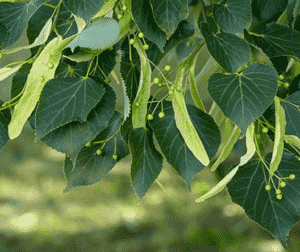
1
American basswood flourishes optimally in environments ranging from full sun to partial shade, promoting vigorous, healthy development.
2
Confirm the tree receives a minimum of six hours of direct solar exposure daily to maintain peak vitality.
3
This tree exhibits strong adaptability; it can endure periods of reduced light, but will display indicators if sunlight becomes inadequate.
Optimal Sunlight for American Basswood
Full Sun Exposure
The American basswood thrives best with full sun exposure. This means the tree should ideally be situated where it receives direct sunlight for most of the day. Full sun ensures the tree obtains ample energy for photosynthesis, promoting robust growth, vibrant foliage, and abundant blooms.
Partial Shade Tolerance
While full sun is preferred, the American basswood also exhibits good tolerance for partial shade. This adaptability allows it to flourish in settings where it might not get continuous sunlight all day. Partial shade implies the tree can still grow well with about 3 to 6 hours of direct sun daily, particularly in the morning or late afternoon.
Daily Sunlight Duration for American Basswood
Recommended Hours of Daily Sunlight
For peak development, it's important that the American basswood gets at least six to eight hours of direct sunlight daily. Consistent sun exposure helps the tree maintain its vigor and resilience, effectively supporting its natural processes. More than eight hours of sunlight can further enhance its growth.
Seasonal Sunlight Variations
The available sunlight changes with the seasons, impacting the American basswood's growth patterns. In summer, with longer days, the tree easily gets enough sun. However, during shorter winter days, it's vital to ensure the tree is positioned to capture maximum light. Monitoring these seasonal shifts aids in making necessary care adjustments.
American Basswood Growth in Low Light Conditions
Adaptability to Low Light
A notable characteristic of the American basswood is its capacity to adjust to various lighting conditions, including lower light scenarios. Nevertheless, extended periods without sufficient sunlight can negatively impact its growth. While it can endure some low light, ensuring it receives a few hours of good light daily is beneficial.
Signs of Inadequate Sunlight
If the American basswood isn't receiving enough sunlight, it will begin to show signs of stress. Common indicators include stunted growth, yellowing or smaller leaves, and reduced flowering. Should these symptoms appear, consider relocating the tree to a brighter spot to restore its health.
Protecting American Basswood from Excessive Sunlight
Shade Cloths and Screens
In environments where the American basswood might receive too much sunlight, especially in extremely hot climates, protecting the tree is crucial. Utilizing shade cloths or screens can help mitigate the damaging effects of intense sun. These tools reduce direct sunlight, providing more controlled light exposure.
Proper Positioning
Planting the American basswood in a location where it naturally gets balanced sunlight can effectively shield it from excessive sun. Consider areas with nearby taller trees or structures that can offer dappled sunlight during peak hours. Strategic placement ensures the tree receives adequate sunlight without the risk of sunburn or overexposure.
Additional Sunlight Tips for American Basswood
Sunlight and Watering Balance
Balancing sunlight and watering is vital for your American basswood's well-being. During hot, sunny periods, the soil may dry out faster, necessitating more frequent watering. However, avoid waterlogging the roots. Well-watered soil helps the tree better cope with high sunlight and heat.
Monitoring Sunlight Intensity
Regularly monitoring the intensity and duration of sunlight the American basswood receives can help you make timely adjustments to its care. Using a light meter can provide precise readings, ensuring the tree’s light requirements are consistently met. Regular assessments aid in maintaining optimal conditions for healthy growth.



