How Much Sunlight Do Sky plant Need?
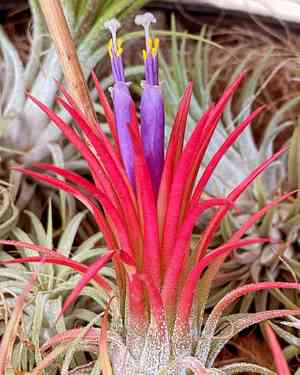
1
A Sky plant flourishes with roughly 3-6 hours of indirect bright light daily.
2
Intense, unfiltered sun exposure can damage a Sky plant, causing scorched foliage.
3
Insufficient illumination may lead to hindered development and faded leaf coloration.
What Kind of Light is Optimal for Sky Plant?
Is Unfiltered Sunlight Appropriate for Sky Plant?
Unfiltered sunlight can be quite strong for the delicate foliage of a Sky plant. While these plants are resilient and can occasionally endure full sun, prolonged exposure can cause leaf scorching and dehydration. It's best to avoid situating your Sky plant in direct sunlight for extended periods, particularly during the sun's peak intensity.
Advantages of Diffused Light
Diffused light is perfect for a Sky plant. The gentle, filtered illumination mimics their native environment, offering all the benefits without the risk of harm. Position your plant near an east or west-facing window where it can receive bright but indirect illumination. This aids the plant in performing photosynthesis efficiently, leading to vigorous growth and vivid coloration.
Dangers of Inadequate Illumination
Inadequate illumination presents several risks to your Sky plant. Without sufficient sunlight, the plant may experience stunted development, and its leaves can become a dull, less vibrant hue. In some instances, the plant might fail to produce blossoms. To prevent these issues, ensure your Sky plant receives at least 3-6 hours of partial sunlight or bright indirect light daily. If natural light is lacking, consider utilizing artificial light sources.
How to Place Your Sky Plant for Optimal Light?
Best Indoor Placements
When positioning your Sky plant indoors, seek out areas where it can receive ample indirect light. East or west-facing windows are ideal as they provide bright morning or afternoon light without the intensity of the midday sun. You can also place the plant on a shaded windowsill or behind a sheer curtain to soften the light. Steer clear of north-facing windows, as they typically don't offer enough illumination.
Best Outdoor Placements
If you prefer to keep your Sky plant outdoors, select a spot that provides dappled sunlight or partial shade. Locations beneath trees or next to a structure like a porch that offers intermittent sunlight are perfect. This way, the plant can get the necessary light without being exposed to harsh conditions that can cause damage. Remember to observe the plant closely and adjust its position if you notice signs of sunburn.
Utilizing Supplemental Lighting
Supplemental lighting can be an excellent addition to natural light, especially in areas with limited sunshine. LED grow lights work particularly well for a Sky plant. Position the light approximately 12-24 inches (30-60 cm) above the plant, providing 12-16 hours of light daily. Ensure the light spectrum includes both blue and red wavelengths, which are vital for photosynthesis and overall well-being. Adjust the duration and intensity based on the plant's reaction.
Seasonal Light Needs for Sky Plant
Summer Care
During summer, the sun is more powerful, so specific care is required for your Sky plant. Ensure it gets sufficient but not excessive light by strategically placing it in partial shade. Morning sun is especially beneficial during this season. Monitor the temperature and humidity, and make sure not to place your plant in direct sunlight for prolonged periods to prevent leaf scorching.
Winter Care
In winter, sunlight is less intense, and days are shorter, making light management crucial. Move your Sky plant closer to light sources, such as south-facing windows that receive the most light during winter. If needed, use artificial grow lights to compensate for the reduced natural light. Maintain a consistent lighting schedule to ensure the plant remains healthy throughout the colder months.
Indicators Your Sky Plant is Receiving the Correct Amount of Light
Healthy Growth Patterns
A Sky plant that receives the appropriate amount of sunlight displays steady and vigorous growth. You'll observe new leaves forming regularly, and the plant will generally retain its structure and form. Stagnant growth or stretching of the plant (etiolation) suggests it requires more light.
Leaf Color and Texture
The leaves of a properly lit Sky plant exhibit vibrant colors and a firm texture. Healthy leaves should be bright green with hints of red or purple, depending on the plant cultivar. A soft, pale, or dull appearance indicates insufficient light, while brown or scorched edges suggest too much direct sunlight.
Flowering Frequency
Adequate sunlight promotes the blooming of Sky plants. If your plant flowers regularly, it signifies it is receiving sufficient light. However, if it rarely or never blooms, you may need to re-evaluate its light exposure and make necessary adjustments.



