How Much Sunlight Do Poison sumac Need?
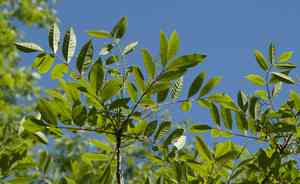
1
Poison sumac flourishes in abundant sunlight but can also endure some shade.
2
Provide a minimum of 6 hours of direct sun each day for robust Poison sumac development.
3
Observe for indications of inadequate light, including elongated stems and diminished leaf density.
Grasping Poison Sumac's Illumination Needs
Preferred Light Conditions
Poison sumac, a deciduous shrub, thrives in damp, marshy environments. For peak development, it primarily favors ample sunlight. This entails exposing the plant to a minimum of 6 hours of direct light daily. While Poison sumac is quite adaptable and can grow in partial sun (3-6 hours of daily sunlight), full sun guarantees robust growth, with luxuriant foliage and healthy progression.
Direct vs. Indirect Sunlight
When considering light for Poison sumac, direct sunlight is most advantageous. This direct exposure aids photosynthesis, which is crucial for the plant's growth. Indirect sunlight, which is light filtered through tree canopies or reflected off surfaces, can also sustain Poison sumac. However, plants under indirect sunlight might not flourish as vigorously as those receiving direct sun.
Optimal Placement for Poison Sumac Development
Ideal Outdoor Locations
Outdoors, Poison sumac should be situated in open areas where it can receive unobstructed sunlight for the majority of the day. Wetlands, swampy grounds, or poorly drained areas are perfect as Poison sumac prefers moist soil. Avoid planting near busy areas as the plant contains an allergenic oil that can cause severe skin reactions.
Indoor Considerations
Poison sumac is seldom cultivated indoors due to its size and potential for causing skin irritation. However, if you are inclined to grow it inside for specific reasons, ensure it's positioned near a south-facing window where it can receive abundant direct sunlight. Utilize containers with good drainage and maintain high humidity to replicate its natural habitat.
How to Adjust Illumination for Seasonal Changes?
Spring and Summer Light Adjustments
During spring and summer, the sun is more potent and days are longer, which benefits Poison sumac. Ensure the plant remains in an open area where it gets extended sunlight. Trim surrounding vegetation if necessary to prevent shading. Water the plant regularly to keep the soil moist during these warmer months.
Fall and Winter Light Adjustments
In fall and winter, daylight diminishes, and the sun is less intense. Poison sumac enters dormancy during these cooler months, so its light requirements are reduced. However, itâs vital to still provide as much light as possible. If potted, consider moving the plant closer to a window or into a greenhouse. Water less frequently but ensure the soil remains moist.
Can Poison Sumac Endure Shade?
Shade Tolerance Specifics
Poison sumac can withstand shaded conditions but with certain limitations. While it may survive in partial shade with 3-6 hours of light, its growth will be slower, and the plant might not be as robust compared to those grown in full sun.
Signs of Insufficient Light
Be attentive to indicators of inadequate light. These may include leggy, sparse growth, pale leaves, and diminished vigor. If you observe such symptoms, consider relocating the plant to a sunnier spot. Regularly assessing the plantâs health will help ensure it receives the appropriate light it needs.



