How Much Sunlight Do Star jasmine Need?
1
Star jasmine flourishes optimally with 3 to 6 hours of direct solar exposure daily.
2
Ample sunlight can boost bloom production, though excessive intense light could cause plant stress.
3
Under dim light environments, Star jasmine can develop, yet its flowering potential may be reduced.
What Light Exposure Does Star Jasmine Need?
Best Light Situations
Regarding illumination, Star jasmine is quite adaptable. The most favorable light condition for this plant is partial sun, meaning it ideally requires 3 to 6 hours of direct sunlight daily. This amount of light promotes robust development and prolific blooming. Nonetheless, Star jasmine can adjust to diverse light environments, making it suitable for various garden settings.
Partially Shaded and Full Sun Exposure
Another advantageous characteristic of Star jasmine is its capacity to endure both partial shade and full sun. In partial shade, the plant often receives filtered or dappled sunlight, which can assist in preserving soil moisture levels. While Star jasmine can withstand full sun for most of the day, it's crucial to remember that excessive harsh, direct light, particularly in warmer climates, can stress the plant. Providing some shade in the afternoon can help mitigate this.
How Does Sunlight Influence Star Jasmine Development?
Effect on Bloom Production
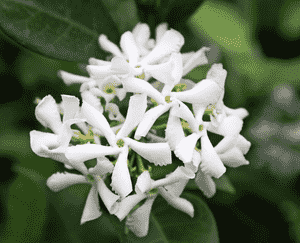
Sunlight significantly influences the blooming of Star jasmine. This plant typically flowers more abundantly when exposed to ample light. A generous amount of direct sunlight will lead to a profusion of its characteristic star-shaped, fragrant blossoms. Conversely, insufficient light can result in fewer flowers, causing the plant to prioritize foliage over blooms.
Growth Speed and Vitality
Beyond just flower generation, sunlight also affects the overall growth rate and health of Star jasmine. Plants receiving the correct light amount tend to develop more vigorously and maintain a healthier appearance. Inadequate light can result in leggy growth, where the plant becomes thin and weak as it extends toward available light sources. Ensuring Star jasmine gets sufficient light will support its structural integrity and longevity.
Can Star Jasmine Thrive in Low Light Conditions?
Adaptation to Shady Spots
Star jasmine can indeed endure low light conditions to a certain extent. While it prefers partial to full sun, it can acclimate to shaded areas. In such situations, the plant may not bloom as profusely, but it will continue to grow, concentrating on maintaining its evergreen foliage. This versatility makes Star jasmine a flexible choice for various garden sections, including shaded spots.
Indicators of Insufficient Light
A primary sign that your Star jasmine isn't receiving enough light is reduced blooming. If you notice fewer flowers or none at all, it's a clear indication that the plant requires more light. Additionally, spindly growth, pale or yellowing leaves, and a general lack of vigor can signal inadequate sunlight. Relocating the plant to a brighter spot can help resolve these issues.
Recommendations for Ensuring Optimal Sunlight for Star Jasmine
Ideal Placement Locations
To guarantee Star jasmine receives the appropriate amount of sunlight, carefully consider its placement. Optimal locations include areas that get morning sunlight and partial shade during the hotter afternoon hours. Planting along east or west-facing walls can offer the right balance of light and shade. If planting in full sun, ensure the soil is well-watered to prevent the plant from experiencing stress.
Utilizing Supplemental Lighting
If you're cultivating Star jasmine indoors or in a particularly shady garden, artificial lighting can complement natural sunlight. Employing grow lights that simulate the sun's spectrum, position them above the plant to ensure it gets an adequate light boost. Make sure the lights are active for approximately 12-16 hours per day to mimic natural sunlight conditions, helping the plant to flourish even in suboptimal environments.



