How Much Sunlight Do Ohio spiderwort Need?
1
Ohio spiderwort flourishes in ample sunlight but can endure some dappled light.
2
To achieve peak development, ensure your Ohio spiderwort receives a minimum of 6 hours of direct sun each day.
3
Consistently observe your plant for indications of insufficient or excessive light exposure.
Optimal Light Conditions for Ohio Spiderwort
Full Sun vs. Partial Shade
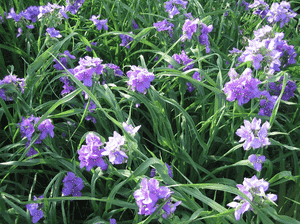
Ohio spiderwort (Tradescantia ohiensis) is a robust and appealing plant that adapts well to various light levels. Ideally, it thrives in full sun, meaning it requires at least six hours of direct sunlight daily. While it can grow in less sunny spots, such as partial shade, you might observe fewer blossoms or a slightly elongated growth habit in such conditions.
Daily Light Duration
To enhance the vibrancy and development of your Ohio spiderwort, ensure it receives 6-8 hours of direct sunlight each day. This can be achieved by situating the plant in a south-facing garden area or an unshaded outdoor location. In regions with particularly intense sunlight, providing some afternoon shade can help balance light exposure and prevent leaf scorch.
Determining Appropriate Sunlight for Ohio Spiderwort in Your Region
Local Climate Factors
The local climate significantly influences the amount of sunlight your Ohio spiderwort requires. Generally, these plants are quite resilient and can adapt to diverse climates. If you reside in an area with high temperatures and strong sun, consider offering partial shade during the hottest part of the day. Conversely, in cooler climates with milder sun intensity, full sun exposure is typically ideal.
Seasonal Light Changes
It's crucial to account for seasonal variations in sunlight when caring for your Ohio spiderwort. During spring and summer, extended daylight hours provide ample light for growth and flowering. However, in fall and winter, reduced daylight means you might need to position your plant where it can capture the most available sunlight. Moving the plant or adjusting garden arrangements seasonally ensures it continues to receive adequate light throughout the year.
Indicators of Excessive or Insufficient Sunlight for Ohio Spiderwort
Signs of Sun Damage
Too much direct sunlight can sometimes cause sunburn in Ohio spiderwort. Symptoms of sun damage include brown, crisp leaf edges, or a generally scorched appearance. If these signs appear, it's advisable to provide some afternoon shade or relocate the plant to a slightly less intense light area.
Symptoms of Inadequate Light
Conversely, insufficient light can hinder your Ohio spiderwort's growth. If your plant isn't getting enough sunlight, you'll notice it becoming leggy, with stems stretching towards the light. It may also experience reduced blooming, resulting in fewer flowers. To correct this, gradually introduce more light by moving your plant to a brighter spot or pruning nearby foliage that blocks sunlight.
Optimizing Sunlight Exposure for Ohio Spiderwort
Garden Placement
The positioning of your Ohio spiderwort in the garden greatly impacts its sunlight exposure. A south-facing location typically offers the most consistent sunlight throughout the day. Alternatively, an east-facing spot can provide morning sun and shield the plant from harsher afternoon rays, which can be beneficial during hot summer months.
Utilizing Natural and Artificial Shading
Balancing sunlight and shade can be achieved using natural elements or garden accessories. For instance, planting your Ohio spiderwort near taller plants or structures provides periodic shade. Additionally, garden netting or umbrellas can be used to offer artificial shade when needed. These methods help mitigate the risk of sunburn while still ensuring sufficient light.
Seasonal Adjustments
Another way to optimize sunlight exposure is through seasonal modifications. During summer, consider giving your Ohio spiderwort some afternoon relief by providing partial shade. In winter, when sunlight is less intense and days are shorter, positioning the plant for maximum sun exposure becomes more critical. Seasonal changes in light exposure can significantly affect your plant's health and growth.



