How Much Sunlight Do American elm Need?
1
American elm trees flourish optimally with a minimum of 6 hours of direct sunlight daily.
2
Excessive sun exposure may lead to leaf burn and desiccation, particularly in juvenile trees.
3
Modifying sun exposure based on the time of year aids in preserving your American elm's well-being.
Optimal Light Conditions for American Elm
Full Sun vs. Partial Shade
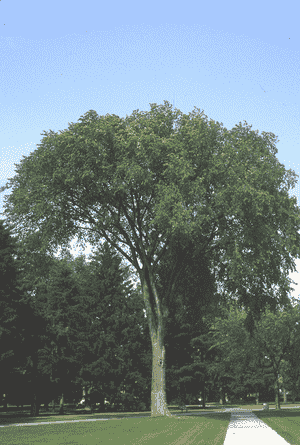
When planting an American elm, choosing the correct location with sufficient light is vital for its development and well-being. Ideally, these trees flourish in areas exposed to direct sunlight. Full sun means at least six hours of direct sunlight daily. While American elms can endure partial shade, receiving only a few hours of sun or filtered light, peak growth is typically observed in full sun. This promotes strong canopy growth and vibrant leaves.
Daily Light Requirements
An American elm generally needs over 6 hours of direct sunlight each day to thrive. This full sun exposure is crucial for the tree's photosynthesis, providing the energy required for growth, developing a sturdy trunk, and forming a wide, healthy crown. In urban or suburban settings, ensure that buildings or other structures do not shade the tree for most of the day, which could impact its growth and health.
Impacts of Excessive Sunlight on American Elm
Leaf Scorch
Despite their preference for full sun, American elm trees can experience leaf scorch if exposed to too much intense sunlight, especially during peak summer. Leaf scorch appears as browning or yellowing of the leaf edges, and in severe cases, it can spread across the entire leaf. This condition primarily occurs when the tree's root system cannot supply enough water to compensate for water loss through evaporation in high heat.
Dehydration Indicators
Another result of prolonged overexposure is dehydration. Signs of dehydration in an American elm include wilting leaves, brittle branches, and stunted growth. Maintaining a consistent watering schedule, particularly during dry periods, helps reduce the risk of dehydration. Mulching around the tree's base also helps retain soil moisture and keep the roots cool.
Adjusting Light Exposure for Young and Mature American Elm
Care for Seedlings and Young Trees
Young American elm trees and seedlings require careful monitoring regarding sunlight exposure. While they benefit from full sun, young trees are more susceptible to overexposure and might need temporary shading during the hottest parts of the day, especially during their first two years. Using a shade cloth or placing them where they receive filtered afternoon light can help balance their light needs without risking leaf scorch or dehydration.
Mature Tree Light Management
Mature American elm trees are more robust and can better handle extended sun exposure. However, regular checks for any signs of leaf scorch or dehydration remain essential. Pruning to maintain a healthy canopy structure ensures that sunlight penetrates evenly and the tree does not suffer from internal shading, which can affect lower branches and foliage.
Seasonal Light Variations and American Elm Health
Summer Light Management
Summer brings intense sunlight and high temperatures, requiring closer attention to your American elm. Watering deeply and regularly during this season ensures that the tree's roots stay hydrated and can cope with high evaporation rates. Applying mulch around the tree not only conserves soil moisture but also helps moderate soil temperature, providing a more stable environment for root growth.
Winter Light Considerations
In winter, sunlight intensity decreases, and the sun sits lower in the sky, which can affect the light your tree receives. Removing any obstructions like snow-covered branches from nearby trees helps maximize winter sunlight exposure. Additionally, understanding that the tree is dormant allows you to focus less on sunlight and more on protecting it from harsh winter conditions, like frost damage.



