How Much Sunlight Do Sea oats Need?
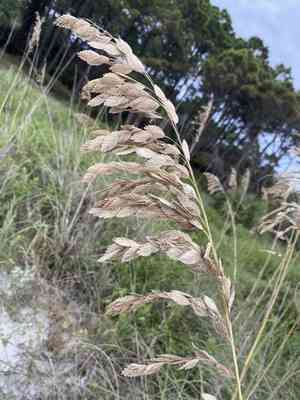
1
Sea oats flourish optimally with over six hours of direct sun exposure each day.
2
Although Sea oats can endure some shade, it's not advised for their peak development.
3
Vigilantly observe Sea oats for indications of both sun damage and inadequate light.
Ideal Light Conditions for Sea Oats
Abundant Sun Exposure
When cultivating Sea oats, it's vital to understand these plants flourish best in full sun. Full sun means receiving direct sunlight for over 6 hours daily. Sea oats are naturally suited to coastal environments where they grow in open, brightly lit areas. Consistent full sun exposure enables efficient photosynthesis, which is crucial for their growth, development, and overall vitality.
Partial Shade Adaptability
While Sea oats prefer full sun, they are surprisingly resilient and can endure partial shade. Partial shade implies they can still grow in spots receiving 3 to 6 hours of sunlight each day. However, prolonged partial shade may slow their growth rate and diminish their vigor. This flexibility makes them suitable for various landscapes, but peak growth still depends on ample sunlight.
Can Sea Oats Thrive in Dim Light?
Impact of Low Light on Development
Sea oats are not well-suited for low light conditions, typically defined as areas getting less than 3 hours of direct sunlight daily. Extended exposure to low light can significantly hinder their growth, resulting in leggy, weak plants with sparse foliage. This reduced light limits their ability to photosynthesize effectively, leading to stunted development and poor overall health.
Indicators of Insufficient Light
Unsure if your Sea oats are getting enough light? Look for warning signs such as elongated stems, smaller leaves, and a generally sparse appearance. Discolored or pale foliage can also signal inadequate light exposure. If you notice these symptoms, consider moving your plants to a sunnier location to improve their chances of flourishing.
Optimal Practices for Light Management
Selecting the Correct Planting Site
The right planting location is critical for optimal light exposure. Choose an area with unobstructed access to direct sunlight for most of the day. Coastal dunes, open landscapes, or south-facing garden spots are ideal choices to ensure your Sea oats receive the necessary sunlight. Avoid placing them in areas shaded by buildings or larger trees, as these can block valuable light.
Seasonal Light Considerations
Sunlight availability changes with the seasons, affecting your Sea oats. During summer, with longer days, Sea oats will naturally get more sunlight. However, in winter months, when days are shorter, monitor plants closely to ensure they receive sufficient light. If needed, consider supplemental lighting or relocating pots to sunnier positions during these months to maintain healthy growth.
How to Safeguard Sea Oats from Excessive Sunlight?
Symptoms of Sun Damage
Even for sun-loving plants like Sea oats, too much sunlight, especially during intense midday hours, can cause sunburn. Symptoms of sunburn include brown or scorched leaf tips and patches. If you observe these signs, it indicates the plant is receiving more light than it can handle, requiring immediate action to protect them.
Providing Shade During Peak Times
To protect Sea oats from excessive sunlight during peak hours (typically between 10 a.m. and 4 p.m.), consider using shade cloths or providing temporary shade with umbrellas or other structures. These measures can help diffuse intense sunlight, preventing potential sunburn and stress. Regularly assess the plants to ensure they maintain a balanced level of sun exposure.



