How Much Sunlight Do Valerian Need?
1
Valerian flourishes optimally in bright sunlight, requiring a minimum of six hours of direct sun each day.
2
It can endure conditions with some shade, but achieves its best development with greater light exposure.
3
Be alert for indications of sun damage, particularly in the warmest summer periods, to safeguard your Valerian plant.
Best Light Conditions for Valerian
Perfect Light Strength
Valerian loves the sun and grows best when it gets full sun. This means it needs a spot where it receives at least six hours of direct sunlight daily. If you live in a very sunny area or during summer, your Valerian will benefit from even more sun exposure. Full sun encourages strong growth, helping the plant reach its full potential.
Sun Exposure Duration
Valerian ideally needs a minimum of six hours of direct sunlight each day. This extended exposure ensures the plant produces enough energy for its growth and blooming. Consistent daily sun helps the plant develop a robust and dense leaf structure, which is vital for its overall health.
Best Times for Sunlight
Morning to early afternoon is the best time for Valerian to get sunlight. During these hours, the sun isn't at its strongest, which lowers the risk of scorching while still providing ample light. Placing your Valerian to catch the morning sun and be shaded from harsh afternoon rays can lead to healthier development.
Signs Valerian Gets Enough Sunlight
Healthy Growth Signs
When Valerian receives sufficient sunlight, it will show fast and strong growth. Stems should be firm and upright, with new shoots appearing regularly. Healthy Valerian plants also look bushy, indicating good light distribution.
Leaf and Flower Quality
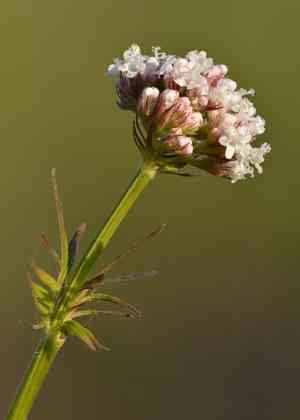
Adequate sunlight leads to vibrant green leaves and abundant blooms. The leaves of a well-lit Valerian are deep green without any yellowing or wilting. Similarly, you'll see many delicate white or pink flowers, adding to the plant's beauty.
What Happens if Valerian Gets Too Much Sun?
Sunburn Symptoms
If exposed to excessive sunlight, especially during peak summer, Valerian might get sunburned. Look for yellowing leaves, crispy leaf edges, and brown spots. These signs mean the plant is stressed and needs immediate relief from intense sun.
Prevention Methods
To prevent sunburn, consider using a shade cloth during the hottest part of the day or moving the plant to a spot with some protection from midday sun. You could also use natural shade from larger plants or garden structures. Ensure the plant gets enough water, especially during hot periods, to maintain its vitality.
Can Valerian Grow in Low Light?
Shade Tolerance
Valerian can partly adapt to low-light conditions, but it might not flourish as well as it would in full sun. In shady areas, you might notice slower growth and fewer flowers. While it can survive in partial shade, the plant generally appears more leggy and sparse compared to those in full sun.
Supplementary Light Sources
If you need to grow Valerian in a low-light setting, think about using extra lighting. LED grow lights can provide the necessary light spectrum and intensity that mimics natural sunlight. Position these lights about 30-60 cm (12-24 inches) above the plant and keep them on for about 6-8 hours to make up for the reduced natural light.
Positioning Your Valerian for Best Sunlight
Outdoor Placement Advice
When placing Valerian outdoors, choose a spot that gets full sun for most of the day. South-facing locations are ideal. Also, consider the seasonal sun path, as it can help you decide the exact spot to plant your Valerian to ensure it gets enough sunlight all year.
Indoor Placement Advice
For indoor growing, place your Valerian near windows that receive plenty of sunlight, ideally those facing south or west. Make sure the plant isn't blocked by curtains or furniture that might limit its light exposure. Rotating the plant weekly can ensure even growth and prevent it from leaning towards the light source.



