How Much Sunlight Do Common blue violet Need?
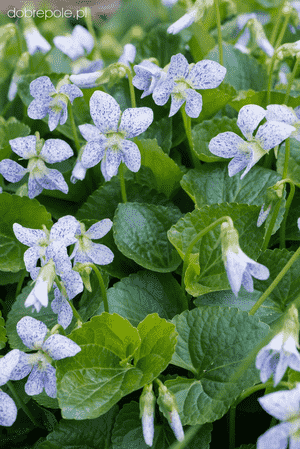
1
Common blue violet flourishes optimally with approximately 3-6 hours of daily sun exposure.
2
This species is adaptable to both complete sun and deep shade, though dappled light is most suitable.
3
Early day sunlight is favored as it offers illumination without the harshness of midday sun.
Optimal Light Conditions for Common blue violet
Partial Shade vs. Direct Sun
The Common blue violet shows good flexibility regarding light. While it tolerates full sun or deep shade, it flourishes best in partial shade. Receiving approximately 3-6 hours of daily sunlight provides sufficient light for photosynthesis without risking leaf burn or dehydration. Intense direct sun, especially during hot summer afternoons, can be excessive, whereas full shade might lead to fewer blooms.
Significance of Morning Light
Morning light is particularly advantageous for the Common blue violet. The gentle rays in the early hours are less harsh and supply the necessary energy for the plant's daily activities. This aids in photosynthesis without causing overheating. Positioning the plant to capture the morning sun, ideally in an east-facing garden location, can yield superior outcomes.
Effects of Excessive Light
Too much sunlight, particularly during the warmest parts of the day, can harm the Common blue violet. Overexposure may result in scorched foliage, wilting, and inhibited development. If your plant displays these indicators, it might be time to move it to a more shaded spot or offer some protection during peak sun periods.
Ideal Planting Locations for Common blue violet
Selecting Appropriate Garden Sites
When choosing a garden spot for your Common blue violet, seek out areas that provide partial shade. Locations beneath deciduous trees, where filtered light can penetrate, are perfect. This arrangement creates a balanced environment, allowing the plant ample light without being overwhelmed by direct sun.
Utilizing Shaded Zones
Do not overlook the shaded sections of your garden. These areas can be excellent for Common blue violet, especially those that receive some indirect light throughout the day. Spots along the north side of your home or garden beds under large shrubs can be superb choices.
Sunlight Patterns to Observe
Understanding the sunlight patterns in your garden can greatly influence the health of your Common blue violet. Observe the sun's movement across different areas and identify spots that get morning sun but are shaded during the hottest part of the day. These locations are typically optimal for planting your violet.
Seasonal Care for Common blue violet
Spring and Summer Requirements
During spring and summer, the Common blue violet enters its most active growth phase. Ensuring it receives adequate morning sun is vital, but be mindful of intense afternoon heat. Mulching helps retain soil moisture and keeps roots cool. Consistent watering, avoiding wetting the leaves, can prevent fungal issues.
Fall and Winter Adaptations
In fall, sunlight intensity diminishes, making it a good time to relocate violets if necessary. As winter approaches, the plant may become dormant, requiring less light and water. Ensure it remains in a spot that receives some winter sun, especially in regions with mild winters.
Adjusting Light Exposure Annually
It's beneficial to modify the sunlight exposure of your Common blue violet with the changing seasons. In summer, consider using shade cloths or strategically placing taller plants nearby to provide afternoon shade. During winter and early spring, ensure it gets sufficient exposure to the milder sun for improved growth and blooming.
Resolving Common Sunlight Issues for Common blue violet
Indicators of Excessive Sunlight
Recognizing signs of overexposure is crucial for safeguarding your Common blue violet. Look for symptoms like yellowed or bronzed leaves, which suggest sunburn. Wilted edges and dry patches also indicate that your plant might be getting too much sun, necessitating a move to a shadier location.
Alleviating Plant Sunburn
If your Common blue violet experiences sunburn, there are steps you can take to aid its recovery. First, move it to a more shaded spot. Prune any severely damaged leaves to encourage new growth. Ensure consistent watering, particularly during dry periods, to help the plant regain its vitality.
Preventing Sun Scald
Sun scald can be a significant problem for plants exposed to sudden, intense sunlight. To prevent this, gradually acclimate your Common blue violet to new conditions if you're relocating it. A slow increase in sunlight exposure helps the plant adjust better and reduces the risk of scalding.



