Ideal Temperature for Whiteclintonia
Images of Whiteclintonia
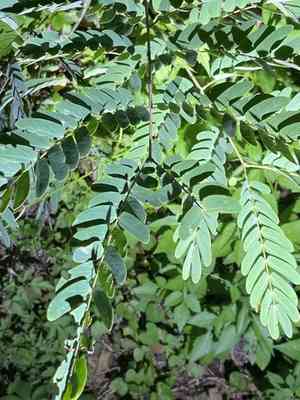
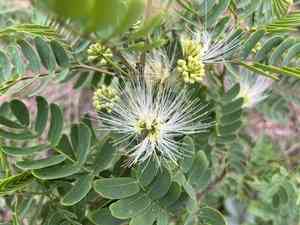

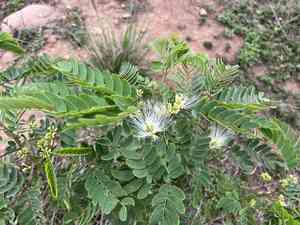
Signs of Cold Stress in Whiteclintonia
Symptoms
Whiteclintonia favors elevated temperatures and cannot withstand cold. It flourishes optimally when temperatures exceed 60℉. In winter, it needs to be maintained above 50℉. Should the temperature drop below 40℉, its foliage might lose some color. Following frost damage, the leaves progressively turn brown or black, and signs like wilting and drooping can appear.
Solutions
Remove any parts damaged by frost. Promptly relocate the plant indoors to a warm setting for protection against cold. Position the plant near a south-facing window to ensure sufficient sunlight. Furthermore, refrain from placing it close to heating units or AC vents to prevent excessive air dryness.
Signs of Heat Stress in Whiteclintonia
Symptoms
In summer, Whiteclintonia should be kept below 75℉. When temperatures surpass 85℉, the foliage lightens in hue, and the plant becomes more prone to sun damage.
Solutions
Prune off any parts that are sunburned and desiccated. Relocate the plant to an area offering protection from the midday and afternoon sun. Hydrate the plant in the morning and evening to maintain soil moisture.



