The Hidden Danger in Your Home? Unmasking the Toxicity of the Horse Chestnut Plant.
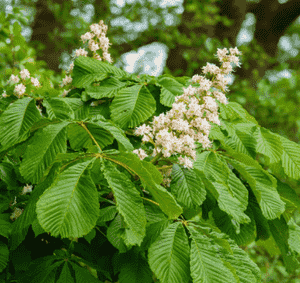
1
All components of the horse chestnut plant possess poisonous glycosides and saponins, which are capable of inducing serious sickness in people.
2
Ingested in substantial quantities, horse chestnut may result in paralysis and, in some cases, a comatose state.
3
Horse chestnut presents a low-level toxic threat to felines and canines alike, requiring prompt veterinary attention if consumed.
Is Horse Chestnut poisonous to people?
All components of horse chestnut contain harmful glycosides and saponins, leading to severe human illness. Ingesting significant quantities of this plant can result in facial, oral, tongue, and throat inflammation, potentially severe enough to impede respiration, along with impaired coordination, muscle spasms, agitation, melancholy, digestive upset, abdominal pain, emesis, loose stools, feebleness, paralysis, and possibly, unconsciousness. Apparently, the seeds are occasionally roasted and consumed by individuals inadvertently, which is a primary cause of intoxication. Another cause is young children becoming inquisitive or mistaking the seeds for edible nuts. Children and individuals with cognitive impairments should be kept away from this plant.
Is Horse Chestnut harmful to felines?
Horse Chestnut exhibits slight toxicity to cats. When consumed in substantial quantities, every part of horse chestnut can be detrimental to felines. Exposure to this flora might lead to physical discomfort or indications of sickness. In such an event, it is vital to seek prompt veterinary attention to guarantee the cat's welfare. Swift treatment at an animal hospital can lessen the negative impacts and aid recuperation.
Is Horse Chestnut dangerous for canines?
Horse Chestnut presents a low toxicity threat to dogs. Dogs can experience poisoning from this plant if they consume it in large quantities. All sections of horse chestnut are toxic, meaning that ingesting any part, be it foliage, seeds, bark, or blossoms, could potentially cause poisoning. Signs of poisoning might include digestive upset such as vomiting and diarrhea, sluggishness, and issues with coordination. It is essential for dog guardians to supervise their pets closely and prevent access to horse chestnut. If a dog is suspected of having consumed horse chestnut, immediate veterinary assistance is critical to manage the symptoms effectively and ensure the animal's health and safety.



