The Hidden Danger in Your Home? Unmasking the Toxicity of the Garlic mustard Plant.
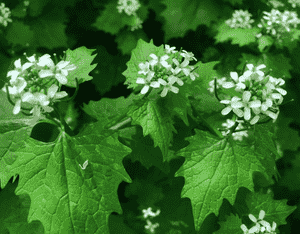
1
Garlic mustard possesses compounds that transform into hydrogen cyanide, a highly lethal natural toxin.
2
Hydrogen cyanide targets the cardiovascular, respiratory, and neurological systems, potentially causing life-threatening effects.
3
Felines and canines may suffer poisoning from garlic mustard, exhibiting sickness, throwing up, and significant digestive distress.
Is Garlic mustard toxic to humans?
Garlic mustard consistently contains hydrogen cyanide precursors that become poisonous upon ingestion. Hydrogen cyanide is among the most lethal naturally occurring toxins. Cyanide deprives cells of oxygen, leading to their demise and impacting the heart, lungs, and nervous system. Poisoning symptoms include sickness, abdominal discomfort, throwing up, loose stools, head pain, frailty, gasping, troubled breathing, lightheadedness and disorientation, blue skin and lips, passing out, seizures, and ultimately death. Remove garlic mustard if it appears in your yard or garden, and until then, keep young children, individuals with cognitive impairments, and aspiring "foragers" away from it.
Is Garlic mustard toxic to cat?
Garlic mustard presents a slight toxic danger to felines; all plant components can be harmful if consumed in substantial amounts. A cat might accidentally eat garlic mustard while outdoors. Should a cat consume a considerable quantity of garlic mustard, it may display general indicators of physical distress or unease, potentially including digestive upset. Given the mild toxicity of garlic mustard, it is vital for cat owners to observe their pets carefully and to get immediate veterinary help if they suspect their cat has eaten garlic mustard. Prompt professional evaluation and care are critical to lessen any potential health dangers from this plant.
Is Garlic mustard toxic to dog?
Garlic mustard presents a low toxicity risk to canines. Although the plant isn't highly poisonous, consuming large quantities can result in poisoning. Dogs might be drawn to and eat various parts of garlic mustard, as every part of the plant is considered toxic. Symptoms of garlic mustard poisoning could involve digestive issues, such as throwing up and loose stools, or more severe responses depending on the amount consumed. It is crucial for dog owners to supervise their pets and prevent them from eating garlic mustard, particularly in areas where the plant is common. If a dog is suspected of garlic mustard poisoning, immediate veterinary attention is essential for appropriate treatment and recuperation.



