The Hidden Danger in Your Home? Unmasking the Toxicity of the Giant onion Plant.
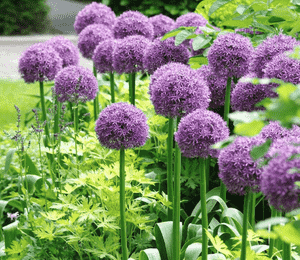
1
Giant onion is poisonous to people, causing symptoms such as loose stools, throwing up, and stomach upset if any portion other than the bulb is consumed.
2
Felines are very vulnerable to giant onion toxicity, possibly resulting in intense physical distress and necessitating immediate veterinary attention.
3
Canines may suffer from digestive issues and sluggishness after eating giant onion, making it vital for pet parents to restrict access.
Is Giant onion toxic to humans?
Giant onion may be harmful to people if consumed. The effects of ingesting the plant are usually minor, stemming from the sulfides present in nearly all parts, including blossoms, stalks, and roots. The bulb is not deemed poisonous. Symptoms from eating the harmful plant components can involve loose stools, throwing up, and feeling sick. Children could be more susceptible to this plant's effects if they encounter and consume any part other than the bulb.
Is Giant onion toxic to cat?
Giant onion is deemed harmful to felines. Should a cat consume any portion of the plant, such as blooms, fruits, foliage, roots, seeds, or stalks, it could result in poisoning. Cats might inadvertently eat giant onion out of curiosity or misidentification. Following ingestion, a cat may show signs of physical distress, indicating a toxic response. If a cat exhibits symptoms of illness after contact with giant onion, it is crucial to quickly get veterinary care to ensure the best possible result for the affected cat.
Is Giant onion toxic to dog?
Giant onion is categorized as a poisonous plant for canines. Dogs can be poisoned by giant onion if they consume any part of the plant, including flowers, fruits, leaves, roots, seeds, or stems. Ingestion might happen by accident. After consuming giant onion, dogs may display symptoms such as digestive upset, sluggishness, or more severe clinical signs depending on the quantity eaten. It is vital for dog owners to supervise their pets and restrict access to giant onion. If a dog is suspected of being poisoned by giant onion, it is essential to seek immediate veterinary attention to ensure the best possible outcome for the animal.



