The Hidden Danger in Your Home? Unmasking the Toxicity of the Soap aloe Plant.
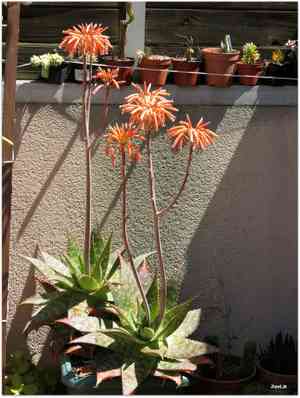
1
Soap aloe presents a slight toxic risk to felines and canines, particularly from its sap or liquid.
2
Consuming soap aloe may cause digestive distress, such as emesis and loose stools in canines.
3
Prompt veterinary attention is essential if cats or dogs exhibit symptoms of intoxication from soap aloe.
Is Soap aloe toxic to cat?
Soap aloe presents a slight toxicity risk to felines. If consumed in substantial quantities, especially its sap or juice, a cat can suffer from poisoning. Should a cat encounter soap aloe, they might exhibit various physical discomforts or indications of sickness. Pet parents should be watchful and stop their cats from eating large amounts of soap aloe to prevent negative outcomes. In any case of suspected soap aloe poisoning, it's vital to get prompt veterinary attention to safeguard the cat's health and welfare.
Is Soap aloe toxic to dog?
Soap aloe presents a minor toxicity danger to canines. Although the plant itself isn't highly poisonous, consuming a large amount can result in poisoning. The main concern stems from the sap or liquid of soap aloe, which holds the toxic compounds causing harmful reactions in dogs. Canines might show signs like digestive upset, throwing up, and loose stools after eating parts of soap aloe. It's essential for dog guardians to supervise their pets and keep them from ingesting this plant. If a dog does consume soap aloe and shows poisoning symptoms, it's crucial to get immediate veterinary help for appropriate treatment and symptom management.



