The Hidden Danger in Your Home? Unmasking the Toxicity of the Annual ragweed Plant.
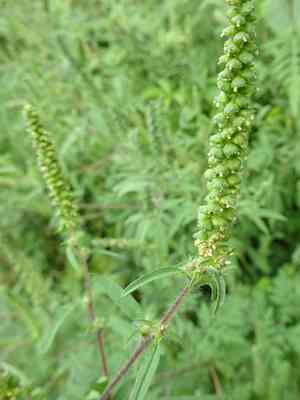
1
Exposure to annual ragweed pollen can trigger intense hay fever, leading to symptoms such as irritated, watery eyes, blocked nasal passages, and sneezing.
2
Annual ragweed poses a toxic threat to felines; consuming or touching it necessitates prompt veterinary intervention to prevent serious health complications.
3
Annual ragweed is likewise harmful to canines; contact may result in skin irritation, digestive upset, or breathing difficulties, requiring immediate veterinary attention.
Is Annual ragweed toxic to cat?
Annual ragweed is deemed poisonous to cats. Felines might accidentally consume this vegetation, with its sap, liquid, and pollen being especially detrimental. Contact with annual ragweed can result in signs of physical distress, indicating that immediate veterinary attention is required. If poisoning is suspected, it is crucial to obtain treatment at a veterinary clinic without delay to safeguard the affected cat's health.
Is Annual ragweed toxic to dog?
Annual ragweed is regarded as harmful to dogs. Canines can be poisoned by this plant if they consume it unintentionally. The main toxic components of annual ragweed are its sap, juice, and pollen, which can present a danger if ingested or if they touch the dog's skin or mucous membranes. Following exposure to annual ragweed, dogs might display symptoms such as skin irritation, digestive problems, or breathing difficulties. It is vital for dog guardians to be watchful and prevent their pets from entering locations where annual ragweed thrives. Should a dog ingest or come into contact with annual ragweed, it is essential to seek prompt veterinary assistance to ensure the most favorable outcome for the affected animal.



