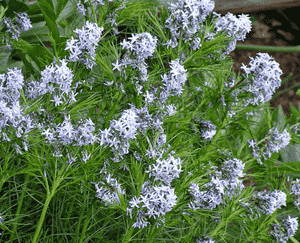
The Hidden Danger in Your Home? Unmasking the Toxicity of the Threadleaf bluestar Plant.
1
The milky fluid from threadleaf bluestar can cause slight irritation upon skin contact.
2
Should felines consume threadleaf bluestar, they might exhibit signs of toxicity; prompt veterinary attention is essential.
3
Canines that ingest significant quantities of threadleaf bluestar could experience digestive issues, sickness, or loose stools.
Is Threadleaf bluestar toxic to humans?
Threadleaf bluestar presents a slight toxicity upon direct skin contact with its sap. The sap is abundant in the stems and foliage, so it's best to steer clear of these parts or use gloves and protective gear when handling the plant. Certain species within the *Amsonia* genus are known to possess harmful alkaloids, which are dangerous if consumed. Consequently, this plant is not advised for consumption or any internal application.
Is Threadleaf bluestar toxic to cat?
Threadleaf bluestar exhibits a degree of mild toxicity to felines. When consumed in large quantities, this plant can result in potential poisoning, as its sap or fluid is known to contain the harmful substance. Cats that consume a considerable amount of threadleaf bluestar might display various signs of discomfort, which could appear as physical distress. Cat guardians should be watchful and stop their feline companions from chewing or eating any portion of threadleaf bluestar. If poisoning is suspected, it is vital to get immediate veterinary attention to ensure the affected cat's health.
Is Threadleaf bluestar toxic to dog?
Threadleaf bluestar carries a minor toxicity risk for canines. Poisoning typically happens when a dog consumes a significant amount of the plant. The sap or liquid of threadleaf bluestar is the harmful component that can cause negative effects if ingested. Dogs that have been poisoned by threadleaf bluestar might show symptoms like digestive upset, throwing up, or loose stools. It's essential for dog owners to supervise their pets and prevent them from eating large quantities of this plant. Should a dog ingest threadleaf bluestar and show signs of poisoning, it is crucial to seek immediate veterinary care for appropriate treatment and symptom management.



