The Hidden Danger in Your Home? Unmasking the Toxicity of the Tall Thimbleweed Plant.
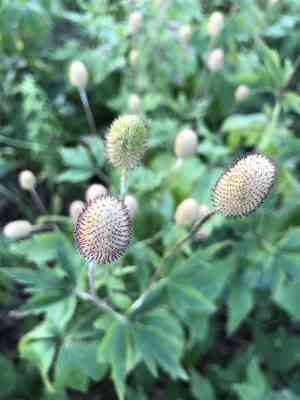
1
Ingesting Tall Thimbleweed results in oral irritation, followed by emesis and loose stools.
2
Exposure to Tall Thimbleweed's fluid causes dermal irritation, blistering, and a burning sensation.
3
Tall Thimbleweed poses a threat to felines and canines, inducing signs such as hypersalivation, emesis, and sluggishness.
Is Tall Thimbleweed harmful to people?
Tall Thimbleweed is a harmful plant with mild toxicity. It leads to minor to moderate sickness when consumed in significant amounts. It also induces skin irritation that appears upon contact with the plant's fluid. All components of the plant are recognized as harmful due to their protoanemonin content â a toxin present in all plants of the buttercup family (*Ranunculaceae*). When consumed, tall Thimbleweed causes a burning sensation in the mouth, followed by digestive upset like vomiting, diarrhea, and/or abdominal cramps. When the plant touches the skin, it can cause skin inflammation, blisters, redness, and a burning sensation.
Is Tall Thimbleweed harmful to felines?
Tall Thimbleweed is categorized as a harmful plant for cats. Felines might inadvertently consume parts of the plant, such as its foliage, blossoms, fruits, roots, seeds, stalks, or bark, leading to poisoning. After consuming tall Thimbleweed, a cat may show signs indicating physical discomfort or illness like digestive upset, sluggishness, or excessive salivation. It is crucial for cat owners to identify these indicators and act quickly. If a cat is suspected of being poisoned by tall Thimbleweed, obtaining immediate treatment at a veterinary clinic is vital for their well-being and recuperation.
Is Tall Thimbleweed harmful to canines?
Tall Thimbleweed is a harmful plant for dogs, presenting a considerable danger if ingested. Dogs can accidentally consume parts of tall Thimbleweed, which includes its leaves, flowers, fruits, roots, seeds, stems, and bark. After ingesting any part of tall Thimbleweed, dogs may display symptoms such as digestive upset, drooling, vomiting, diarrhea, or more severe reactions depending on the quantity consumed. It is essential for dog owners to be watchful and prevent their pets from accessing areas where tall Thimbleweed grows. Should a dog be suspected of having been poisoned by tall Thimbleweed, it is critical to seek immediate veterinary attention to ensure the best possible outcome for the affected animal.



