The Hidden Danger in Your Home? Unmasking the Toxicity of the Japanese laurel Plant.
1
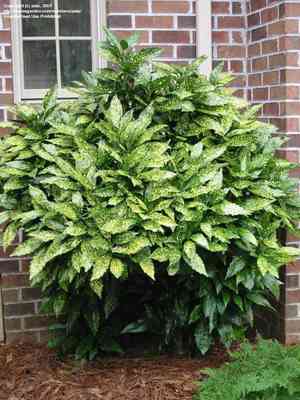
Japanese laurel presents a poisoning hazard to felines and canines, leading to signs such as emesis and stomach discomfort.
2
The fruit-like berries and foliage of Japanese laurel contain *glycosides*, resulting in minor intoxication in people.
3
Prompt veterinary attention is essential if animals consume Japanese laurel, even if indications appear slight.
Is Japanese laurel toxic to humans?
Japanese laurel is classified as a poisonous plant that can cause harm to people if consumed. The effects of consumption are typically minor. The berry-like fruits and foliage contain glycosides that present a risk to individuals who consume these plant components. Symptoms include a low-grade fever, emesis, and queasiness. Some individuals consume this plant as an emergency food source in survival scenarios, and thus might inadvertently eat the seeds and experience these adverse, toxic responses. Others may confuse the berries for an edible type and mistakenly consume the harmful fruits.
Is Japanese laurel toxic to cat?
Japanese laurel presents a moderate toxicity hazard to felines. When any portion of the plant is consumed, it can result in poisoning. As all components of Japanese laurel are poisonous, cats may experience physical discomfort or exhibit signs of distress, necessitating close observation. It is vital for cat guardians to prevent their pets from encountering Japanese laurel and to be watchful for its presence in their surroundings. If a cat is suspected of having ingested Japanese laurel, it is imperative to promptly seek expert medical attention at a veterinary clinic.
Is Japanese laurel toxic to dog?
Japanese laurel presents a moderate toxicity hazard to canines. If consumed, any part of the plant can lead to poisoning. Dogs may become poisoned by ingesting fragments of Japanese laurel, which could happen during inquisitive chewing or accidental consumption while exploring outside. Symptoms of poisoning in dogs may include emesis, loose stools, stomach discomfort, and feebleness. It is crucial for dog guardians to be watchful and prevent their pets from accessing Japanese laurel. Should a dog ingest Japanese laurel, it is essential to seek immediate veterinary assistance to ensure the most favorable outcome for the animal.



