The Hidden Danger in Your Home? Unmasking the Toxicity of the Burmese fishtail palm Plant.
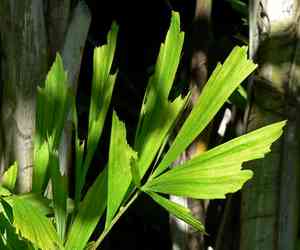
1
The burmese fishtail palm has calcium oxalate, a substance that can lead to mouth irritation and a burning feeling if eaten.
2
Pets like cats and dogs might suffer from digestive issues if they eat any part of the burmese fishtail palm, particularly its fruit.
3
Prompt veterinary care is essential if animals consume burmese fishtail palm to avoid severe health problems.
Is Burmese fishtail palm toxic to humans?
Burmese fishtail palm presents a low-level toxicity hazard to people, mainly if its fruit is eaten. The fruit contains calcium oxalate, a substance that can lead to poisoning if consumed. After eating, individuals might experience various symptoms like mouth irritation, a burning feeling in the mouth and throat, trouble swallowing, and digestive issues such as sickness and throwing up. It's vital for people to be aware of the possible dangers linked to accidentally eating burmese fishtail palm's fruit, and to keep them away from children who might be drawn to their look.
Is Burmese fishtail palm toxic to cat?
Burmese fishtail palm presents a low-level toxicity risk to felines. This toxicity usually happens when a cat accidentally consumes parts of the plant, especially the fruit, which contains calcium oxalate. After ingestion, cats might show signs of physical discomfort, including digestive upset. Because the plant's toxicity is mild, symptoms are generally not fatal but still need attention. It's essential to get immediate veterinary care if you suspect your cat has eaten burmese fishtail palm, as quick action can lessen discomfort and prevent more severe issues.
Is Burmese fishtail palm toxic to dog?
The burmese fishtail palm plant species is known to have a mild toxicity level for canines. Dogs can be poisoned by this plant if they consume it by accident, particularly the fruit, which holds the toxic compounds. After eating parts of burmese fishtail palm, dogs might show symptoms like mouth irritation, throwing up, and loose stools due to the calcium oxalate crystals in the fruit. It's crucial for dog owners to watch their pets carefully and prevent access to burmese fishtail palm to avoid accidental consumption. If a dog does eat any part of burmese fishtail palm, it's important to get immediate treatment at a vet clinic to handle any negative effects.



