The Hidden Danger in Your Home? Unmasking the Toxicity of the Moreton bay chestnut Plant.
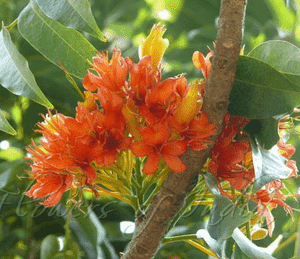
1
The uncooked, immature seeds of the Moreton Bay Chestnut are toxic and can lead to mild to severe sickness if consumed.
2
Moreton Bay Chestnut presents a significant toxicity risk to felines, as its seeds contain the harmful alkaloid castanospermine.
3
Prompt veterinary attention is essential if a canine consumes Moreton Bay Chestnut, given that symptoms may progress to organ damage or fatality.
Is Moreton bay chestnut toxic to humans?
Individuals are most susceptible to poisoning from consuming uncooked moreton bay chestnut seeds. Ingesting these seeds will lead to a moderate to severe sickness. The fresh, immature, raw seeds of the plant are poisonous. As the seeds mature, they become less hazardous, though some sources indicate they remain toxic until prepared. Symptoms include nausea and loose stools. These trees are common and cultivated as ornamental indoor potted plants. They are also grown outdoors for their sturdy timber. These elements increase the likelihood of human exposure to the plant.
Is Moreton bay chestnut toxic to cat?
Moreton bay chestnut presents a significant toxicity danger to felines. If accidentally consumed, especially the seeds, which contain the poisonous alkaloid castanospermine, cats can suffer serious health issues. Signs of severe physical distress may appear, requiring prompt veterinary attention. Seeking immediate treatment at a veterinary clinic is vital for the well-being and potential recuperation of the affected cat.
Is Moreton bay chestnut toxic to dog?
Moreton bay chestnut presents a high toxicity danger to canines. Dogs might inadvertently consume the plant, particularly its seeds, which are known to be poisonous. Following ingestion of moreton bay chestnut parts, dogs could display signs like emesis, loose stools, stomach discomfort, sluggishness, and in critical instances, organ malfunction or fatality. The presence of castanospermine, an indolizidine alkaloid in the seeds, causes these harmful reactions. If a dog is suspected of moreton bay chestnut poisoning, immediate veterinary intervention is crucial to lessen the dangers and administer suitable care.



