The Hidden Danger in Your Home? Unmasking the Toxicity of the Blue cohosh Plant.
1
Blue cohosh poses a mild toxicity risk if consumed and can lead to skin irritation upon touch.
2
Youngsters frequently confuse blue cohosh seeds with blueberries, elevating the danger of accidental ingestion.
3
Blue cohosh is poisonous to felines and canines, requiring prompt veterinary attention if consumed.
Is Blue cohosh toxic to humans?
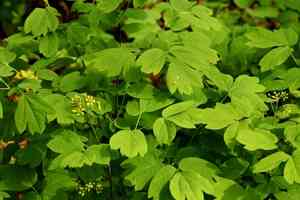
Blue cohosh presents mild toxicity if consumed, and contact with the plant might lead to skin inflammation. Its toxicity stems from alkaloids and saponins present in the plant's roots, berries, and seeds. Consuming blue cohosh typically results in only minor to moderate sickness, depending on the quantity ingested. Youngsters are more vulnerable to poisoning due to their age, lack of caution, and inquisitiveness. They frequently confuse the seeds for blueberries. Signs of blue cohosh poisoning include throwing up, loose stools, abdominal pain, chest discomfort, elevated blood pressure, and increased blood sugar. Skin irritation can develop after touching the plant.
Is Blue cohosh toxic to cat?
Blue cohosh exhibits moderate toxicity to felines. Cats can experience poisoning after consuming any portion of the plant. Once poisoned, cats might display signs indicating physical discomfort or illness. It is crucial that a cat suspected of blue cohosh poisoning be promptly transported to a veterinary clinic for expert evaluation and care. Without immediate medical intervention, the cat's well-being could be in serious jeopardy.
Is Blue cohosh toxic to dog?
Blue cohosh is a plant with moderate toxicity for canines. Dogs can be poisoned by consuming any part of the plant, as all components are deemed toxic. If a dog ingests any segment of blue cohosh, it might show symptoms such as digestive upset, neurological irregularities, or other indicators of distress. Given the potential health hazards linked to this plant, dog guardians should be diligent in preventing their pets from accessing blue cohosh. Should a dog consume blue cohosh, it is essential to seek immediate veterinary attention to ensure the best possible prognosis for the animal.



