The Hidden Danger in Your Home? Unmasking the Toxicity of the Greater celandine Plant.
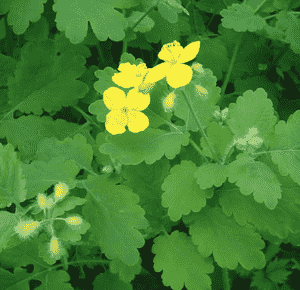
1
Greater celandine is poisonous to the liver and has been associated with instances of severe hepatitis.
2
Prompt veterinary attention is essential if your feline consumes any portion of greater celandine.
3
Greater celandine presents a considerable danger to canines, with symptoms necessitating immediate medical intervention.
Is Greater celandine harmful to people?
Evidence suggests that ingesting greater celandine can be detrimental to the liver and lead to negative reactions. Eating its leaves, roots, blossoms, or stalks might induce sickness, lightheadedness, tiredness, and elevated body temperature. Greater celandine consumption has also been associated with several instances of sudden liver inflammation. There is inadequate study regarding the safety of consistent or prolonged use of this plant, the correct amount, and how it might interact with other medicines.
Is Greater celandine harmful to felines?
Greater celandine is poisonous to felines. Should these animals consume any portion of greater celandine, it can cause intoxication as every part of the plant contains harmful compounds. Cats might inadvertently consume greater celandine, potentially leading to signs of physical distress or sickness. The specific harmful substances within greater celandine are not detailed, but nonetheless, the plant's capacity to cause harm should be taken seriously. In any case of a cat ingesting greater celandine, prompt veterinary attention is crucial to manage and alleviate the effects of the poisoning.
Is Greater celandine harmful to canines?
Greater celandine is a plant that presents a considerable danger to canines due to its poisonous nature. Dogs can suffer from poisoning if they consume any segment of the plant, as all components are toxic. The most frequent way dogs encounter greater celandine is by accidentally eating it, which can occur during unsupervised outdoor play or when plant fragments are introduced into their surroundings. Following ingestion of greater celandine, dogs might display various signs indicating poisoning. These symptoms could range from minor to severe and demand immediate care. If you suspect your dog has consumed greater celandine, it is vital to seek veterinary care without delay to ensure the most favorable prognosis for your pet.



