The Hidden Danger in Your Home? Unmasking the Toxicity of the Carolina coralbead Plant.
1
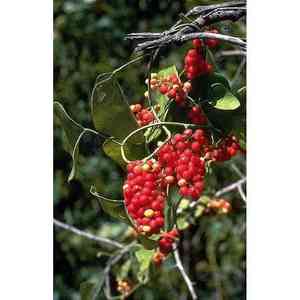
Every part of the carolina coralbead plant contains harmful substances, with the berries being particularly dangerous because of their elevated alkaloid levels.
2
Youngsters face the greatest danger because they are drawn to the carolina coralbead's bright red fruits.
3
Carolina coralbead poses a slight toxicity risk to domestic animals such as felines and canines, necessitating prompt veterinary attention if consumed.
Is Carolina coralbead toxic to humans?
Carolina coralbead presents low toxicity to people, with all plant components containing harmful substances. Intoxication typically results from consuming a large quantity of the berries, which are particularly dangerous due to their elevated alkaloid levels. The effects are not deemed lethal, and symptoms generally involve digestive issues like throwing up, loose stools, and stomach cramps. Children face the greatest danger as they are often drawn to the bright red berries. There is some indication that direct contact with carolina coralbead can lead to skin irritation, but this evidence is not definitive.
Is Carolina coralbead toxic to cat?
Carolina coralbead is slightly harmful to felines. The danger of poisoning rises if a cat consumes a considerable amount of its fruits, which are the plant's poisonous elements. Cats might show signs of physical distress or sickness after eating it. For any suspected poisoning, prompt veterinary attention is vital to guarantee the well-being and safety of the affected cat.
Is Carolina coralbead toxic to dog?
Carolina coralbead presents a slight toxicity hazard to canines, mainly when they consume the plant in large quantities. The toxic components of carolina coralbead are its fruits, which can be appealing to dogs due to their look. If a dog ingests a significant amount of these fruits, it might display signs indicating poisoning. Such symptoms could encompass digestive upset, throwing up, loose stools, and sluggishness. It is imperative for dog owners to supervise their pets and restrict access to carolina coralbead fruits to prevent potential poisoning events. Should a dog consume parts of carolina coralbead, especially in large quantities, immediate veterinary care is crucial to ensure appropriate treatment and attention.



