The Hidden Danger in Your Home? Unmasking the Toxicity of the Pencil cactus Plant.
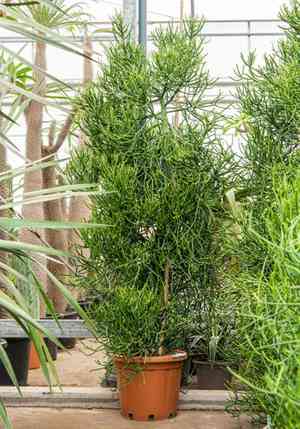
1
The milky fluid from pencil cactus may lead to intense itching, skin irritation, and transient vision impairment if it gets into human eyes.
2
Consuming any portion of pencil cactus results in sickness, throwing up, and loose stools, though human consumption is highly uncommon.
3
Pencil cactus presents a mild to moderate toxicity risk for canines, resulting in digestive upset or uncomfortable skin eruptions.
Is Pencil cactus harmful to people?
The pencil cactus poses a significant health risk to humans. These plants exude a milky fluid that can induce intense itching, skin irritation, and even transient vision impairment if it gets into the eyes. Given their popularity as indoor and outdoor plants, individuals might occasionally encounter pencil cactus sap while gardening or caring for a damaged houseplant. Consuming any portion of this plant can result in sickness, throwing up, and loose stools. Fortunately, instances of human consumption are exceedingly uncommon, as this plant is typically cultivated for decoration and lacks any edible counterparts.
Is Pencil cactus harmful to felines?
When the leaves and stems of the pencil cactus (Euphorbia tirucalli) are broken, the internal fluid can irritate skin. Symptoms from consumption are typically minor and involve oral discomfort and an upset stomach. They are not deemed highly poisonous; however, it is advisable to prevent cats from interacting with them.
Is Pencil cactus harmful to canines?
Pencil cactus presents a mild to moderate toxicity risk for dogs. Adverse reactions most frequently arise when dogs consume or brush against the plant's milky fluid, which is released when the plant is damaged or otherwise injured. Ingestion can lead to digestive upset or intestinal harm, commonly resulting in loose stools or vomiting. If the sap touches the skin, it might cause painful rashes that prompt excessive scratching. Temporary loss of sight can even occur if a substantial amount of sap enters a dog's eye(s).



