The Hidden Danger in Your Home? Unmasking the Toxicity of the Balloon plant Plant.
1
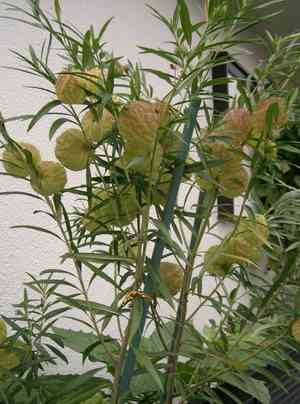
The balloon plant secretes a milky white sap that is poisonous if consumed.
2
Every part of the balloon plant is harmful to felines, necessitating prompt veterinary attention if eaten.
3
Signs in canines following balloon plant consumption encompass throwing up, loose stools, and sluggishness.
Is Balloon plant toxic to humans?
Balloon plant releases a milky white sap that is poisonous if consumed. Every part of the plant contains this sap, which can be released if the plant is harmed or broken. While generally safe to touch, contact with this sap might lead to issues. Stomach upset is a main symptom for those who consume the sap. Exercise caution when handling this plant, as some individuals have reported skin rashes and itching after contact with the sap. Keep children away to prevent accidental consumption.
Is Balloon plant toxic to cat?
Balloon plant has been determined to possess moderate toxicity for cats. Felines can experience poisoning if they consume any portion of the plant. Upon ingestion, balloon plant may induce signs of physical discomfort or illness, though specific symptoms have not been elaborated. It is crucial for cat guardians to recognize that all components of balloon plant present a potential danger and to implement preventive actions to keep their cats from interacting with the plant. If a cat does consume balloon plant, prompt veterinary attention is essential to guarantee the most favorable outcome for the affected feline.
Is Balloon plant toxic to dog?
The balloon plant is deemed to have a moderate degree of toxicity for canines. When dogs consume any part of the plant, as all sections are toxic, they face a risk of poisoning. Symptoms that might appear after a dog has ingested balloon plant include throwing up, loose stools, sluggishness, and in more serious instances, symptoms could advance to an irregular heart rate or labored breathing. It's vital for dog guardians to be watchful and stop their pets from gnawing on or eating the plant. If a dog is suspected of being poisoned by balloon plant, it is critical to get immediate veterinary help to ensure the best possible result for the pet.



