The Hidden Danger in Your Home? Unmasking the Toxicity of the English ivy Plant.
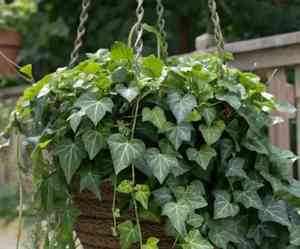
1
Exposure to English ivy's sap may lead to skin irritation, including redness, itching, and blistering.
2
Consuming English ivy berries can induce a burning sensation in the throat, and its leaves might cause delirium and hallucinations.
3
English ivy is poisonous to felines and canines, potentially leading to vomiting, unconsciousness, or loss of movement.
Is English ivy toxic to humans?
English ivy possesses moderate toxicity through either consumption or direct touch. Every part of the plant contains harmful substances. Exposure to the sap from its leaves or stem can lead to skin inflammation, redness, itching, and blistering. Eating the plant's berries will induce a burning feeling in the throat. Ingesting the leaves might cause symptoms like delirium, hallucinations, fever, seizures, rashes, vomiting, diarrhea, abdominal discomfort, and excessive drooling. Additionally, English ivy has allergens that some individuals might react to. Poisoning from this plant is most probable from unintentional exposure, given its widespread cultivation and invasive nature in North America.
Is English ivy toxic to cat?
English ivy (Hedera helix) presents a moderate toxicity risk to felines due to its triterpenoid saponin compounds. If ingested, these can lead to vomiting, stomach discomfort, and diarrhea. While both the berries and leaves contain these harmful substances, the leaves are more potent. Should your cat consume the foliage, please consult a veterinarian.
Is English ivy toxic to dog?
English ivy poses a moderate to severe toxicity risk to canines; consuming significant quantities could necessitate emergency medical attention. A rash may appear if a small number of leaves are eaten, and ingesting a very large amount can result in a coma or paralysis. The toxic agent, triterpenoid saponin, is present throughout the plant but is most concentrated in the leaves. Even skin contact with the plant's sap can cause a rash and irritation. This species is very common in landscaping and indoors, so remain watchful.



