The Hidden Danger in Your Home? Unmasking the Toxicity of the Giant hogweed Plant.
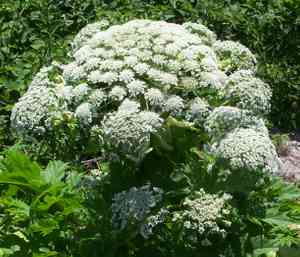
1
Contact with giant hogweed's poisonous sap can lead to intense blistering and potentially permanent scarring.
2
The sap of giant hogweed is capable of inducing transient vision loss, posing a significant danger upon contact.
3
Prompt veterinary attention is crucial for animals that have come into contact with giant hogweed, as it can result in severe physical discomfort.
Is Giant hogweed toxic to humans?
Giant hogweed is highly poisonous to people, leading to intense reactions upon contact â frequently, exposure to giant hogweed necessitates a doctor's visit. These plants contain a harmful sap present throughout their structure, and individuals are especially prone to exposure if the plant is broken or harmed (e.g., during trimming or removal efforts). Skin contact with giant hogweed results in redness, itching, and severe skin blistering, often persisting for days or weeks and potentially leaving permanent scars. The sap can also induce photosensitivity and even temporary vision loss. These plants might be encountered by those clearing unwanted vegetation from properties and gardens â it particularly thrives in cleared or disrupted areas, such as vacant lots or roadsides.
Is Giant hogweed toxic to cat?
Giant hogweed presents a moderate toxicity hazard to felines. Exposure to this plant frequently happens via direct contact with its sap or unintentional consumption. When a cat touches or ingests parts of giant hogweed, it might exhibit signs indicating physical discomfort. While specific toxic compounds aren't detailed, the danger stems from the plant's sap. The appearance of distress warrants prompt veterinary consultation to guarantee the cat receives appropriate care and treatment.
Is Giant hogweed toxic to dog?
Giant hogweed poses a moderate toxicity threat to canines. Dogs can be poisoned by giant hogweed through skin contact with the plant's sap or by accidentally eating parts of the plant. Exposure to giant hogweed can lead to various symptoms, including skin inflammation, light sensitivity, blisters, and potentially more serious reactions if consumed. It is vital for dog owners to prevent their pets from touching or ingesting any part of giant hogweed. If a dog is suspected of giant hogweed poisoning, immediate veterinary attention is crucial for quick treatment.



