The Hidden Danger in Your Home? Unmasking the Toxicity of the Chameleon plant Plant.
1
Chameleon plant has the ability to take in and accumulate mercury, posing a danger when cultivated in contaminated ground.
2
Mercury toxicity from chameleon plant impacts the neurological system, leading to numbness, cognitive issues, and brain injury.
3
The greatest concentrations of mercury in chameleon plant are located in its roots and foliage, presenting a considerable hazard if ingested.
Is Chameleon plant toxic to humans?
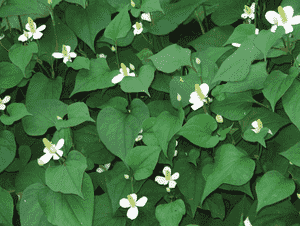
The chameleon plant lacks inherent toxins; on its own, it's quite benign. Nevertheless, it can absorb mercury and methylmercury from contaminated soil, accumulating substantial amounts in its tissues without harm to itself. If a human consumes the plant, it might contain enough of this poisonous metal to induce mercury poisoning. The highest concentrations are found in the roots and leaves, with lesser amounts in rhizomes and aerial stems. Mercury is extremely toxic even in small doses, rendering chameleon plants grown in polluted soil a considerable danger. Mercury primarily targets the nervous system. Symptoms of mercury poisoning include numbness or prickling sensations in the extremities and around the mouth, progressive tunnel vision, muscle weakness, involuntary shaking, impaired coordination, memory issues, hearing loss, speech difficulties, and brain damage, particularly in infants and young children. Remove this plant if it appears in your garden, especially if you reside in an urban area or are uncertain about your soil's condition.



