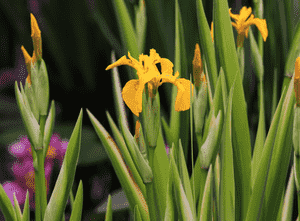
The Hidden Danger in Your Home? Unmasking the Toxicity of the Yellow flag Plant.
1
Yellow flag presents a moderate danger to humansif consumed or if its sap touches the skin.
2
The plant known as yellow flag is harmful to cats; if ingested, it can lead to discomfort or sickness.
3
Yellow flag is quite dangerous for dogs, potentially causing issues from throwing up to problems with breathing.
Is Yellow flag toxic to humans?
Yellow flag presents a moderate danger of toxicity to people. Accidental consumption or contact with the plant's sap can lead to poisoning. Every part of the plant is poisonous, containing compounds that can cause negative reactions. Swallowing it may lead to symptoms such as sickness, throwing up, stomach discomfort, and loose stools. Contact with the sap might result in skin irritation or allergic responses. It's essential to prevent accidental intake and handle the plant carefully to avoid poisoning. Seek immediate medical help if poisoning happens.
Is Yellow flag toxic to cat?
The plant known as yellow flag is harmful to felines. A frequent way cats get poisoned is by mistakenly eating the plant. Specifically, its foliage is recognized for having poisonous qualities. When a cat consumes a portion of yellow flag, it might start showing signs of physical unease or sickness. It's crucial for cat guardians to observe their pets closely and quickly get veterinary care if any strange behavior or distress is noticed after possible contact with yellow flag.
Is Yellow flag toxic to dog?
Yellow flag is a plant that poses a considerable threat to canines due to its poisonous nature. Dogs can be poisoned by yellow flag if they eat parts of the plant, especially the leaves, either by accident or if they are permitted to wander in areas where yellow flag grows. After consuming parts of yellow flag, dogs might display various symptoms indicating poisoning. These symptoms could range from minor to severe and may include throwing up, loose stools, excessive drooling, sluggishness, or more serious signs like trouble breathing or changes in heart rate. It is vital for dog owners to be watchful and stop their pets from reaching areas where yellow flag is found. If a dog does consume any part of yellow flag, it is critical to get immediate veterinary attention to ensure the best possible result for the affected animal.



