The Hidden Danger in Your Home? Unmasking the Toxicity of the Rocky mountain juniper Plant.
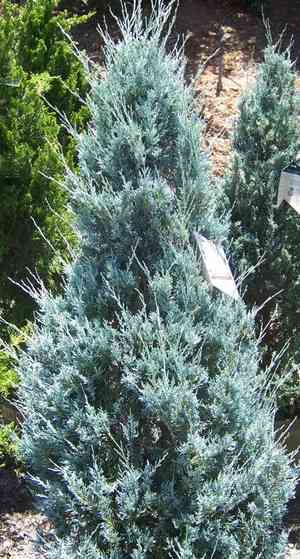
1
Rocky Mountain Juniper presents slight toxicity to felines and may lead to health problems if a large quantity of seeds is ingested.
2
Prompt veterinary attention is essential to address possible poisoning from Rocky Mountain Juniper consumption in both cats and canines.
3
Pet guardians ought to restrict their animals' access to Rocky Mountain Juniper seeds to safeguard their pets' health and welfare.
Is Rocky mountain juniper toxic to cat?
Rocky Mountain juniper presents a low level of toxicity to felines. Cats can experience poisoning if they ingest a large quantity of the plant's seeds. After consumption, a cat might show signs of discomfort or general illness that may not be immediately obvious. Seeking veterinary help quickly is vital to address any potential health issues from eating Rocky Mountain juniper. Owners should be careful to stop their cats from getting to the seeds of Rocky Mountain juniper to keep them safe and healthy.
Is Rocky mountain juniper toxic to dog?
Rocky Mountain juniper carries a slight toxicity risk for canines. Although the plant itself isn't highly poisonous, consuming its seeds in large quantities can cause intoxication. Dogs that eat a considerable amount of these seeds might show signs like digestive upset or more serious health problems. It's important for dog owners to be watchful and keep their pets away from places where Rocky Mountain juniper seeds are found. If a dog is thought to have eaten Rocky Mountain juniper seeds, immediate veterinary attention is essential for correct treatment and handling of any possible poisoning.



