The Hidden Danger in Your Home? Unmasking the Toxicity of the Japanese honeysuckle Plant.
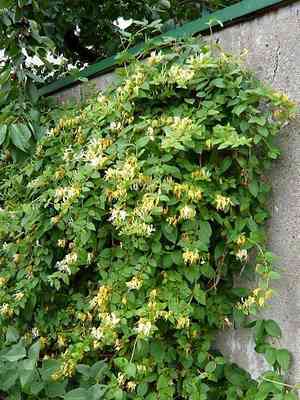
1
The berries of Japanese honeysuckle are highly poisonous to people, leading to symptoms such as throwing up, loose stools, and breathing difficulties.
2
Japanese honeysuckle poses a toxic threat to felines, resulting in physical discomfort if consumed.
3
Canines that eat Japanese honeysuckle may experience digestive and breathing problems, requiring prompt veterinary attention.
Is Japanese honeysuckle harmful to people?
Japanese honeysuckle poses significant health risks to humans if substantial amounts of its berries are consumed. Should an individual experience poisoning from ingesting Japanese honeysuckle fruits, they might display symptoms such as emesis, loose stools, enlarged pupils, clammy skin, increased pulse, seizures, breathing difficulties, and unconsciousness. Such poisoning is most probable in children or adults who accidentally consume the berries, given the plant's sweet, edible flowers.
Is Japanese honeysuckle harmful to felines?
Japanese honeysuckle is poisonous to cats. Felines might inadvertently consume portions of Japanese honeysuckle, including its berries, foliage, or sap, which can result in intoxication. After exposure to Japanese honeysuckle, a cat may start showing signs of physical discomfort. Although specific symptoms aren't detailed, any unusual behavior or indications of sickness should be taken seriously. Pet owners should observe their animals for any signs of distress and promptly seek veterinary attention if they suspect Japanese honeysuckle poisoning, as timely intervention can be vital for the animal's well-being and recuperation.
Is Japanese honeysuckle harmful to canines?
Japanese honeysuckle is regarded as a poisonous plant for dogs. Canines can suffer from poisoning if they consume it by accident. The components of Japanese honeysuckle that present a danger include its berries, leaves, and sap or fluid. If a dog ingests any of these parts, it might display signs of poisoning, which could involve digestive upset, breathing difficulties, or other worrying clinical manifestations. It is essential for dog owners to supervise their pets and restrict access to Japanese honeysuckle. In the event a dog does consume Japanese honeysuckle, immediate veterinary care is critical for effective poisoning management.



