The Hidden Danger in Your Home? Unmasking the Toxicity of the Wild Perennial Lupine Plant.
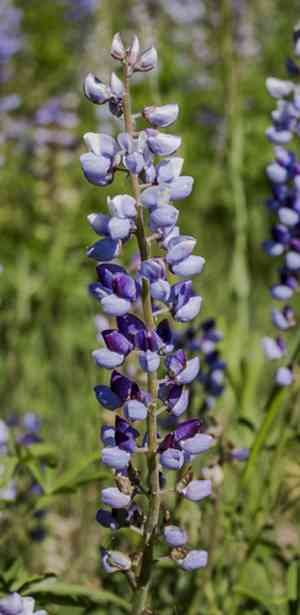
1
Wild Perennial Lupine seeds possess harmful alkaloids, though a substantial quantity is needed to affect humans.
2
Every part of the wild Perennial Lupine plant is poisonous to felines and canines, necessitating immediate vet attention if consumed.
3
Signs in animals after consuming wild Perennial Lupine include digestive issues, reduced energy, and irregular heartbeats.
Is Wild Perennial Lupine toxic to humans?
Wild Perennial Lupine is regarded as a poisonous plant with a low potential for toxicity if consumed. Only the seeds of the plant present a risk to human health. They contain several potentially harmful alkaloids (lupinine, anagyrine, sparteine, and hydroxylupanine), but internal poisoning only occurs from ingesting extremely large quantities of seeds. The most common symptoms associated with these chemicals include a slow heart rate, drowsiness, seizures, and respiratory problems, although human intoxications are very uncommon and rarely documented.
Is Wild Perennial Lupine toxic to cat?
Wild Perennial Lupine shows slight toxicity to felines. If a cat eats this plant, especially in large quantities, it might experience negative health effects because all parts of wild Perennial Lupine are poisonous. Signs of physical discomfort can appear and their intensity may differ based on the amount consumed. Due to the danger of poisoning, if a cat is thought to have eaten wild Perennial Lupine, immediate veterinary help is crucial to guarantee their health and quick treatment.
Is Wild Perennial Lupine toxic to dog?
Wild Perennial Lupine presents a minor toxicity hazard to canines. Although the plant isn't highly toxic, consuming it in large quantities can lead to poisoning. Dogs might be drawn to and eat parts of wild Perennial Lupine, which can cause negative health effects as all parts of the plant are considered toxic. Symptoms of poisoning from wild Perennial Lupine can include, but are not limited to, digestive upset, sluggishness, and irregular heart rhythm. It's vital for dog owners to supervise their pets closely and stop them from eating wild Perennial Lupine. Should a dog consume a significant amount of wild Perennial Lupine, it's essential to seek immediate veterinary attention to ensure the best possible outcome for the animal's health.



