The Hidden Danger in Your Home? Unmasking the Toxicity of the Cherry plum Plant.
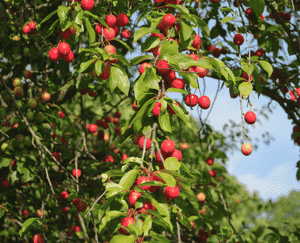
1
Cherry plum has cyanide precursors in all parts except the fruit, which become cyanide gas when eaten.
2
Felines can suffer poisoning from eating cherry plum, and prompt vet attention is vital if signs appear.
3
Canines might show serious signs like trouble breathing or altered heart rate after consuming cherry plum components.
Is Cherry plum toxic to humans?
The cherry plum, similar to almost all plants in the *Prunus* genus, contains cyanide precursors throughout its structure, including its seeds, with the fruit being the only exception. When a person consumes the seeds, foliage, or any other portion of the plant, these cyanotoxins transform into cyanide gas upon contact with stomach acid. This gas is absorbed through mucous membranes, leading to poisoning. Symptoms escalate from restlessness to feebleness, impaired coordination and muscle spasms, trouble with movement or speech, decelerated breathing and heart rate, and ultimately, fatality.
Is Cherry plum toxic to cat?
Cherry plum poses a toxic threat to felines. Cats can experience poisoning if they inadvertently consume portions of the plant, especially the leaves and seeds. Following ingestion of cherry plum, a cat might display indicators of physical discomfort or distress. Should there be any suspicion of poisoning, it is vital to obtain prompt veterinary attention to lessen the effects and safeguard the cat's well-being. Swift medical intervention from a veterinary clinic is critical for a potentially poisoned cat.
Is Cherry plum toxic to dog?
Cherry plum is deemed harmful to canines. Dogs might unintentionally consume parts of this plant, such as its leaves and seeds, which are recognized as poisonous. If a dog ingests these components of cherry plum, they could exhibit signs like vomiting, loose stools, stomach discomfort, or more severe indications such as labored breathing or alterations in heart rhythm. It is crucial for dog owners to be watchful and prevent their pets from accessing cherry plum. Should a dog consume any part of this plant, it is essential to seek immediate veterinary assistance to ensure the animal's optimal recovery.



