The Hidden Danger in Your Home? Unmasking the Toxicity of the Cherry laurel Plant.
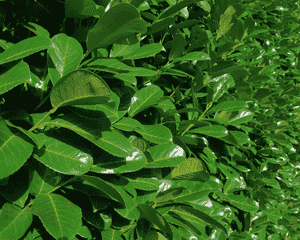
1
Cherry laurel seeds possess compounds that transform into cyanide gas when exposed to stomach acid.
2
All components of the cherry laurel plant, excluding its fruit, harbor poisonous cyanotoxins.
3
Signs of cyanide poisoning from cherry laurel begin with feebleness and may culminate in fatality.
Is Cherry laurel poisonous to people?
Cherry laurel, similar to almost all plants in the *Prunus* genus, contains cyanide-forming compounds throughout its structure, including its seeds, with the only exception being its fruit. When a person consumes the seeds, leaves, or any other part of the plant, these cyanotoxins transform into cyanide gas upon contact with stomach acid. This gas is absorbed through mucous membranes, leading to poisoning. Symptoms escalate from restlessness and dilated pupils to weakness, impaired coordination and muscle spasms, difficulty with movement or speech, decreased breathing and heart rate, and ultimately, fatality.



