The Hidden Danger in Your Home? Unmasking the Toxicity of the Common chokecherry Plant.
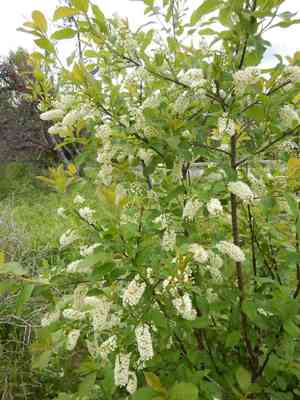
1
The seeds, foliage, and stalks of typical chokecherry are capable of inducing cyanide toxicity, resulting in nausea, head pain, lightheadedness, or even fatality.
2
Typical chokecherry presents a significant toxic threat to both canines and felines; pet symptoms encompass enlarged pupils, difficult respiration, unconsciousness, or demise.
3
Aged and withered leaves and stems from typical chokecherry possess especially elevated concentrations of cyanide, rendering them exceedingly perilous.
Is Common chokecherry toxic to humans?
Similar to other species within the *Prunus* genus, common chokecherry possesses poisonous qualities that trigger adverse reactions in people if consumed. The effects can be serious, potentially leading to fatalities in certain instances, owing to the hydrocyanic acid present in specific plant components, which induces cyanide poisoning. The seeds, or pits, found within the fruit are toxic, as are the plant's leaves and stems. Ingesting these parts in significant amounts can lead to severe sickness, presenting as nausea, headaches, and lightheadedness. In extreme scenarios, death is possible. Given that *Prunus* fruits are frequently enjoyed as edible produce, some individuals might consume the seeds from the fruit's core, unaware of their potential to cause poisoning.



