The Hidden Danger in Your Home? Unmasking the Toxicity of the Chinese quince Plant.
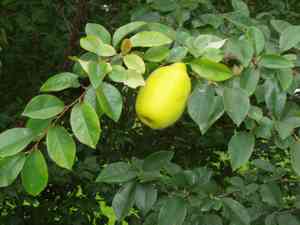
1
Seeds from Chinese quince possess hydrogen cyanide, a powerful substance capable of causing toxicity if consumed.
2
Hydrogen cyanide disrupts the body's ability to utilize oxygen at a cellular level, resulting in signs such as headaches and lightheadedness.
3
Should pets ingest any portion of Chinese quince, prompt veterinary care is essential.
Is Chinese quince toxic to humans?
Chinese quince exhibits a low level of toxicity to people, mainly from eating its seeds. The seeds hold hydrogen cyanide, a strong substance that can cause poisoning. When eaten, the body processes these seeds to release hydrogen cyanide, which can disrupt cellular oxygen utilization, resulting in symptoms like headache, lightheadedness, disorientation, difficulty breathing, and even fainting. The intensity of symptoms depends on the amount of seeds consumed. It is vital for individuals, particularly children who might be attracted to the seeds due to curiosity, to refrain from eating them to avoid accidental poisoning.
Is Chinese quince toxic to cat?
Chinese quince presents a slight toxicity risk to felines who might accidentally consume the plant. The main toxic component of the plant is the seed, which contains hydrogen cyanide, a potentially dangerous compound. Exposure to this plant could lead to signs of physical discomfort or sickness. If a cat eats any part of Chinese quince, especially the seeds, it is imperative to seek immediate veterinary care to reduce any health dangers.
Is Chinese quince toxic to dog?
The plant species Chinese quince is categorized as mildly toxic to canines. Dogs can experience poisoning if they consume parts of this plant, especially the seeds, which are known to contain harmful compounds. If a dog ingests the seeds of Chinese quince, it might display symptoms such as digestive upset or more serious indications depending on the quantity consumed. The presence of hydrogen cyanide in the seeds can lead to these negative health effects. It is essential for dog owners to supervise their pets and prevent them from eating any part of Chinese quince. Should a dog consume this plant, prompt veterinary attention is crucial to ensure appropriate care and treatment.



