The Hidden Danger in Your Home? Unmasking the Toxicity of the Pin oak Plant.
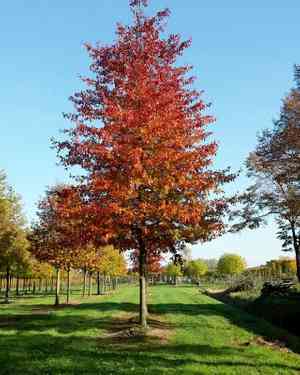
1
Pin oak possesses mildly toxic qualities that can become active upon consumption, impacting both people and animals.
2
Youngsters are especially susceptible as they might readily gather and chew on the poisonous acorns and foliage.
3
Felines and canines may suffer from pin oak intoxication, resulting in signs such as digestive distress and necessitating immediate veterinary attention.
Is Pin oak toxic to humans?
Pin oak possesses some mildly harmful characteristics that can be triggered upon consumption. Portions of this flora are slightly poisonous due to their tannin content. These elements encompass the acorns and leaves, particularly new growth. If consumed, they may cause symptoms like stomach discomfort, constipation, bloody feces, loose stools, intense thirst, and frequent urination. These trees are frequently found in public spaces and private gardens, making them readily accessible. Susceptible individuals include children, who might readily pick up and chew on acorns and leaves without realizing the hazards.
Is Pin oak toxic to cat?
Pin oak is recognized for having a slight degree of toxicity for felines. Cats might consume harmful components, such as foliage and seeds, especially when ingested in large quantities, potentially leading to poisoning. Following the consumption of pin oak parts, a cat could display signs indicating physical distress, sickness, or pain. As these indicators can affect a cat's health and welfare, it is crucial to seek veterinary attention without delay for treatment to lessen any effects of the toxin.
Is Pin oak toxic to dog?
Pin oak presents a minor toxicity hazard to canines. Intoxication typically happens when a dog consumes substantial quantities of the plant, especially its leaves and seeds. After ingesting these components of pin oak, dogs might show signs such as digestive upset, emesis, or loose stools. It is vital for dog guardians to observe their pets carefully and prevent them from entering areas where pin oak thrives. Should a dog consume a considerable amount of pin oak, it is imperative to obtain prompt veterinary assistance to guarantee appropriate treatment and handling of any potential poisoning outcomes.



