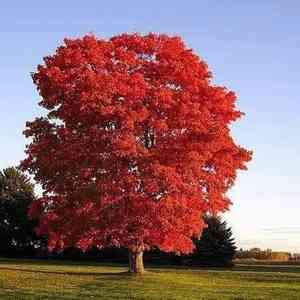
The Hidden Danger in Your Home? Unmasking the Toxicity of the Northern red oak Plant.
1
Ingestion of northern red oak by humans can lead to digestive issues, including stomach upset, bloody stools, and diarrhea, owing to its tannin content.
2
Youngsters are particularly susceptible to the harmful acorns of northern red oak, commonly found in residential areas and public spaces.
3
Prompt veterinary care is essential if a feline or canine consumes any portion of a northern red oak.
Is Northern red oak toxic to humans?
Northern red oak possesses mildly harmful characteristics that can be triggered by consuming portions of this plant. This plant may lead to minor symptoms as its leaves and acorns contain toxic compounds, specifically tannins. Swallowing these plant components can result in digestive upset, constipation, bloody feces, and diarrhea, alongside intense thirst and frequent urination. Given their prevalence in gardens and public spaces, these trees are readily accessible. Children are particularly susceptible to their harmful effects if they gather and chew on acorns found on the ground in these locations.
Is Northern red oak toxic to cat?
Northern red oak presents a low level of toxicity to felines. Cats can experience poisoning if they ingest significant quantities of the plant's foliage or seeds. Upon consumption, the cat might display indicators of physical distress or sickness. To protect a cat's well-being, it is imperative to restrict their access to these components of northern red oak. If you suspect your cat has been poisoned by northern red oak, prompt veterinary intervention is critical for appropriate care and treatment.
Is Northern red oak toxic to dog?
Northern red oak carries a slight toxicity risk for canines. Intoxication typically happens when dogs consume large quantities of the plant, especially its leaves and seeds. Following ingestion of northern red oak, dogs might show signs like digestive upset, including emesis and loose stools. It is vital for dog guardians to closely observe their pets and prevent them from entering areas where northern red oak is present, particularly during seasons when leaves or seeds are plentiful. Should a dog consume parts of northern red oak, it is crucial to seek immediate veterinary attention to ensure proper treatment and management of any potential poisoning.



