The Hidden Danger in Your Home? Unmasking the Toxicity of the Black oak Plant.
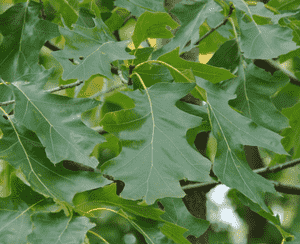
1
Black oak possesses poisonous tannins that can lead to adverse effects such as abdominal pain, loose stools, and liver damage if consumed.
2
Kids might consume black oak foliage or nuts when playing outdoors, potentially leading to intoxication and severe health concerns.
3
Consuming substantial quantities of black oak can result in mild poisoning in felines and canines, requiring immediate veterinary attention.
Is Black oak toxic to humans?
Like other species in the *Quercus* (oak) family, black oak possesses harmful compounds that can cause adverse reactions in people if consumed. The impact of eating this plant varies from minor to moderate, stemming from tannins found in its young foliage and acorns. Symptoms include abdominal pain, infrequent bowel movements, loose stools, frequent urination, and intense dehydration. In severe cases, tannins can lead to liver or digestive tract damage. These trees are common in public spaces and private gardens, making them readily available. Children might encounter and consume leaves or fallen acorns, unaware of their poisonous qualities.
Is Black oak toxic to cat?
Black oak is a plant with slight toxicity for felines. Cats might experience poisoning mainly by consuming significant quantities of the plant's foliage or seeds. After ingesting black oak, a cat may exhibit signs of physical discomfort or sickness, requiring immediate veterinary attention to safeguard their health and lessen potential adverse effects. If a cat owner suspects their pet has eaten black oak, it's vital to monitor the animal for any signs of distress and promptly seek professional veterinary assistance.
Is Black oak toxic to dog?
Black oak presents a low toxicity hazard to canines. Dogs might be poisoned by this plant if they consume substantial quantities of its leaves or seeds. Poisoning symptoms can differ but might include digestive upset, such as throwing up or loose stools, and in more serious instances, could result in greater health complications. If you believe your dog has ingested parts of black oak, it is crucial to seek immediate veterinary care to ensure the most favorable prognosis for your pet.



