The Hidden Danger in Your Home? Unmasking the Toxicity of the Common buckthorn Plant.
1
Severe digestive upset: Ingesting common buckthorn berries or foliage can result in sickness, excessive salivation, throwing up, abdominal pain, and loose stools.
2
Cumulative hepatic injury: The glycosides present in common buckthorn can trigger liver inflammation, yellowing of the skin, and eventually, tissue death and demise.
3
Pet poisoning hazard: Common buckthorn presents considerable toxic dangers to felines and canines if consumed in substantial amounts.
Is Common buckthorn toxic to humans?
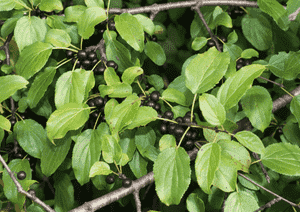
The common buckthorn's fruits and foliage contain harmful glycosides, which can severely affect humans. These compounds induce intense gastrointestinal distress in anyone consuming sufficient buckthorn berries or leaves, manifesting as nausea, excessive salivation, emesis, abdominal cramps, and loose stools. Furthermore, these glycosides are known to cause gradual liver damage over time, beginning with inflammation and yellowing of the skin, potentially progressing to tissue death and fatality. Ensure young children avoid this tree, and educate older children about the berries' poisonous nature.
Is Common buckthorn toxic to cat?
Common buckthorn presents a low toxicity hazard to felines, mainly if its fruits or foliage are eaten in considerable amounts. Although the precise toxic agents are not identified, cat owners should be watchful as consumption can result in indications of physical discomfort or sickness. It is essential for cat guardians to observe their pets for abnormal conduct or distress following common buckthorn ingestion and to promptly seek expert care at a veterinary clinic. Swift intervention is critical to manage any toxic reactions and guarantee a favorable outcome for the animal.
Is Common buckthorn toxic to dog?
Common buckthorn presents a low toxicity risk to canines. While small, infrequent amounts might not cause serious harm, consuming large quantities can lead to poisoning. The plant components especially hazardous if eaten by dogs include both the berries and the leaves. Signs of poisoning in dogs can differ but might involve throwing up, loose stools, stomach discomfort, and lethargy. It is vital for dog owners to supervise their pets and prevent them from consuming significant portions of common buckthorn. Should a dog ingest a substantial amount of common buckthorn, it is crucial to seek immediate veterinary attention to safeguard the animal's health and welfare.



